

Rosé Wine Online: Spanish, Italian & French Rosé
Over 270 rosés from Spain, France and Italy, from pale Provençal styles to deeper, more full-bodied Spanish rosados. We're a Robert Parker Wine Advocate Trusted Retailer, so every wine on this list has been vetted by independent experts — not just by us.
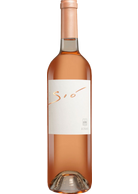
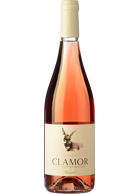
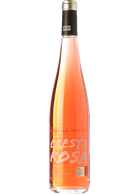
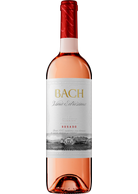


Over 270 rosés from Spain, France and Italy, from pale Provençal styles to deeper, more full-bodied Spanish rosados. We're a Robert Parker Wine Advocate Trusted Retailer, so every wine on this list has been vetted by independent experts — not just by us. Hosting a buffet or a table with mixed tastes?
A rosé works with almost everything on it. Looking for something more specific? Try Rioja, Provence or Navarra, or explore by grape: Garnacha, Tempranillo or Pinot Noir. Want to know more first? Read our guides on what rosé wine is and how it's made, and how to choose the right style.
How to choose the right rosé?
If there is one thing that defines rosé wine, it is its great gastronomic versatility and seductive power. It is also a very honest wine. It is usually presented in transparent bottles so that at first glance we can intuit its style.
The paler the colour, the more delicate the wine tends to be: onion skin, pale copper or coral-coloured rosés are ideal for aperitifs and the most delicate dishes.
The more vivid and intense the colour, the deeper the flavour: these are the scarlet red or carmine rosés, very fruity rosés ideal for accompanying everything from smoked meats to blue fish, tapas, pizzas and pasta, savoury dishes and even desserts, always depending on the style of each brand or winery.
How is rosé made? What is the difference between rosé and claret?
Rosé is the wine that results from macerating red grapes with the skins for just a few hours, just enough time to obtain the colour, structure and substances desired by the winemaker. Compared to a red wine, a rosé can macerate for 6-12 hours, while a red wine can macerate for 6-12 days or more.
The claret rosé or claret follows the same process, with the difference that red and white grapes are mixed in the maceration vat. In our shop, you will find the most exquisite clarets, always at the best price.
How many styles of rosé wine are there?
We usually talk about Provençal-style rosés and classic rosés. In both cases, some are aged in barrels, increasing their complexity and creaminess.
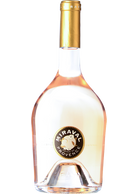
Pale-coloured rosés are mainly found in the South of France but also in Spain. Taste and compare, for example, Domaine Lafage's Miraflors and Chivite's Las Fincas Rosé, and, among the barrel-aged ones, Miraval versus Ripa.
Their subtlety and apparent fragility make them the ideal pairing for the most delicate and exquisite dishes: mild seafood, light pâtés and salads with cheese for the mildest, while the more complex ones are the perfect match for game, smoked meats, fideuàs, prawns, Japanese cuisine and spicy dishes.
It is among the classics, and with a little more colour, we find the most versatile rosés. This type of rosé is in direct competition with young reds as it goes well with pizzas, tapas, savoury appetisers and pasta dishes, as well as with grilled and seasoned white meats, spicy cuisine, carpaccios, paellas, grilled vegetables, toast with olives and many other dishes.
Rosés, due to their excellent balance between acidity, sweetness and bitterness, have the virtue of degreasing the palate in a similar way to sparkling wines, which is why they are ideal throughout a meal or when a variety of dishes are to be served at the same table.
Always add a new rosé to your purchases to get to know the different styles that are being produced in Rioja, Navarra, Penedès or Empordà.
For more substantial dishes, barbecues, sausages, ham, rice dishes and somewhat spicy cuisine, check out a good rosé from Ribera del Duero and most of those made with syrah, cabernet sauvignon, tempranillo and listán negro grapes, which are more full-bodied.
Rosés also go very well with desserts, especially those made from Grenache, which is sweeter, and are ideal as an aperitif or after-dinner drink.
At what temperature should rosé be served?
The temperature of rosé should always be between that of a white and a red, around 10-12ºC. As they tend to be very common in summer, don't forget to have an ice bucket or wide container with water, salt and ice to keep the bottles cool at all times.
What glass is used for rosé wine?
The ideal glass for rosé is medium-sized. It is a Bordeaux-shaped glass, with a wider base than the opening, but smaller than the one used for reds.
The reason for this is that rosés need little oxygenation, and with less wine in the glass, we can renew it more frequently and always enjoy it fresh. With the same objective, you should not fill it with more than a third.
Choose a slightly smaller glass if the rosé is young and with essentially floral aromas, and a wider one if the wine is fruitier, complex and creamy. A smaller glass for Provençal-style rosés and a wider one for rosés aged in oak or more classic styles.
Which grapes are most frequently used to make rosé wines?
Grenache and cinsault are the most common in France, but also cabernet franc and gamay. In Spain, Grenache is the queen variety of rosé wine, but rosés can be made with almost any type of grape: Tempranillo, Syrah, Merlot, Prieto Picudo... In Italy, the main ones are Negroamaro and Montepulciano, followed by Nerello Mascalese, Primitivo, and Gaglioppo.
Which are the regions that have traditionally been most dedicated to making rosé wine?
The appellations that have been most dedicated to making rosé wine in France are located along the Mediterranean: in the Provence and Languedoc-Roussillon regions.
In Spain, Navarra and Cigales have been the two big names traditionally associated with rosé, although today it is very easy to find high-quality brands in most appellations: Rioja, Penedès, Empordà, Ribera del Duero.
The best offer of Italian rosé wine has always been concentrated in the southern half of the country, with its cerasuolos d'Abruzzo, and above all in Salento and also Sicily, although the rosés of Lake Garda are becoming famous and the rosés of large in Alto Adige are curious.
Which are the best rosé brands?
Some brands owe their prestige to tradition, such as Chivite or Viña Tondonia (Bodegas R. López de Heredia), others for having been pioneers in breaking the prejudice that for so many years considered rosés as superficial wines, such as Can Ràfols dels Caus, while others have become benchmarks more recently for the quality they offer year after year or the exquisiteness of their products, such as the Primer Rosé of Marqués de Murrieta or the Pla dels Àngels of Scala Dei.