New Parker ratings for Catalan Wines!
The wine critics at the Robert Parker Wine Advocate, with Luis Gutiérrez leading the reviews for Spain, have published new ratings for Catalan wines. Check out our selection of some of the best rated wines!
There are years that pass without a sound. And others that, almost unnoticed, change everything.
Catalonia has been living through one of those moments for some time now. Four years of drought have pushed the vineyard to its limits… and have forced everything to be done better.
And now, it’s starting to show.
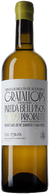
The highest-rated by Parker

Four consecutive years of drought, from 2021 to 2024, have pushed many wine regions to their limits and forced winegrowers and winemakers to rethink decisions that had gone unquestioned for decades. It hasn’t been easy: weakened vines, ever lower yields, earlier harvests and a constant feeling of being one step behind what the climate dictated.
However, within that context, something interesting has happened. Necessity has forced refinement. Adjustment. A deeper understanding of each plot, each variety, each harvest moment. And that, little by little, has begun to show in the wines.
Priorat and Montsant: Character under pressure
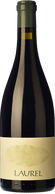
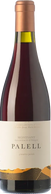
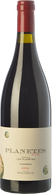


The latest Parker scores, led by Luis Gutiérrez, are not only evaluating vintages. At their core, they are pointing to a transition. 2021 was a great year, almost unexpectedly so, with complete, structured wines that also held balance and freshness thanks to the water reserves accumulated before the drought began. Then 2022 and 2023 were much harsher, far more extreme. Sustained heat, accelerated ripening, uneven results. But also years of learning, where many producers understood how to adapt, how to better protect the fruit and how to seek balance even in adverse conditions.
2024 was probably the most critical point. The accumulated drought truly took its toll: low yields, vines at their limits, difficult decisions taken more to save plants than to make wine. And yet, against all odds, wines began to emerge with a different profile: less excessive concentration, more freshness, more finesse, although with highly heterogeneous results depending on the region.
And then came the shift.
Where the change is noticeable
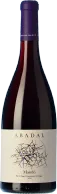
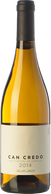
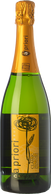
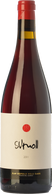
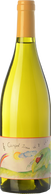
At first, it came timidly, almost too late, at the end of the 2024 harvest. Then clearly and steadily in 2025. Rain returned. Water reserves were replenished. Temperatures moderated. And with that, the rhythm of the vineyard changed. What had been tension for years began to find balance.
The first signs are clear. 2025 is shaping up to be one of the great recent vintages in Catalonia, especially for whites and sparkling wines. Wines that are more defined, more precise, combining freshness and ripeness in a way that has been difficult to achieve for years. Many already compare it to 2021, though with an even lighter, more refined profile.
But beyond the quality of a specific vintage, what truly matters is something else. Catalonia is not just producing good wines. It is changing the way they are made. A new generation of producers is working with a different perspective: more focused on terroir, on the expression of each plot, on local varieties. Less intervention, less artifice, more intention.
In regions such as Penedès, Priorat, Montsant or Conca de Barberà, established projects coexist with new initiatives, often outside appellations, exploring their own paths. Old vines are being recovered, varieties like Xarel·lo, Trepat or Sumoll are being revalued, and vineyard work is becoming increasingly precise.
All of this is happening now. And it’s starting to show in the glass.
Because after demanding years, the wines being released —and those to come— have something different. More tension. More balance. More identity. Less artifice. More truth.
New perspectives in Catalonia
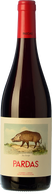
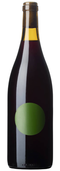
This movement is not limited to small wineries. It is reflected across the entire ecosystem. In sparkling wines, for example, the map has changed. The growth of Corpinnat, the departure of major names from DO Cava and the increasing focus on origin, organic viticulture and real quality are redefining the landscape. It may seem confusing, but it is in fact a sign of evolution.
The world of sparkling wines
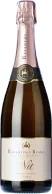

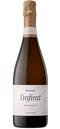
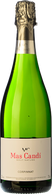

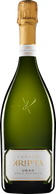
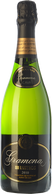
Because after demanding years, the wines being released —and those to come— have something different. More tension. More balance. More identity. Less artifice. More truth.
And that rarely aligns with a specific moment in time.
This, most likely, is one of those moments.