Wine from Jerez-Manzanilla
Jerez-Manzanilla: Oenological Jewels of Andalusia
Fernando de Castilla Classic Manzanilla
Ximénez-Spinola PX Delicado Cosecha 2024 (0.5 L)
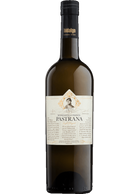
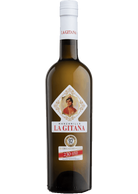
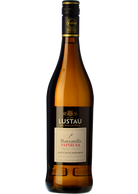
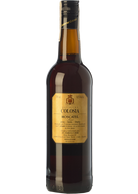
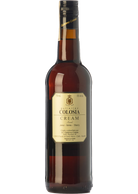

Gutiérrez Colosía Amontillado Solera Familiar (0.5 L)

Williams & Humbert Jalifa Amontillado 30 años (0.5 L)
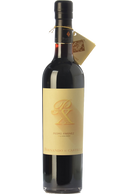
Fernando de Castilla Antique PX (0.5 L)
Jerez-Manzanilla
Jerez-Manzanilla: Oenological Jewels of Andalusia
Welcome to the category dedicated to the charm of the Marco de Jerez, a wine region in southern Spain famous for its unmistakable fortified wines. From the historic Jerez, known internationally as "Sherry", to the fresh Manzanilla of Sanlúcar de Barrameda, we invite you to discover a palette of flavours and aromas second to none.
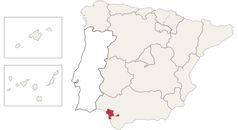
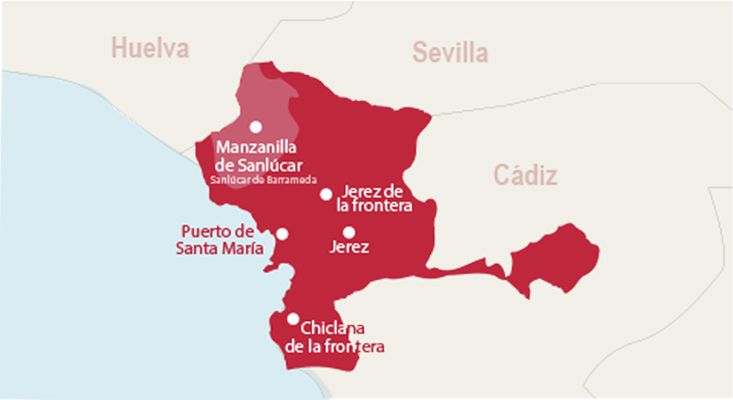
The Jerez-Manzanilla denomination is in fact two denominations of origin: the Jerez-Xérès-Sherry DO and the Manzanilla-Sanlúcar de Barrameda DO, both located in the province of Cádiz. They are two distinct denominations which, however, share the same vineyards, the same Regulatory Council, and a very similar style of production with a long history: the solera-criadera system.
Jerez's history is as old as its wines and vineyards, introduced by the Phoenicians around 1000 BC. They founded Cádiz, believed to be the oldest city in Europe, and to its north lies the area of wine production known as the Marco de Jerez region, a triangle formed by the cities of Jerez de la Frontera, Puerto de Santa María and Sanlúcar de Barrameda, among others.
Main Characteristics of Sherry-Manzanilla Wines
- Diversity and Tradition: In the Marco de Jerez, viticulture has evolved over millennia, producing a wide range of wines, from dry Fino and Manzanilla to sweet Pedro Ximénez.
- Climate and "Velo de Flor": The particularity of the Andalusian climate, together with the natural formation of the "velo de flor", a type of yeast that protects the wine during ageing, results in wines with a unique character.
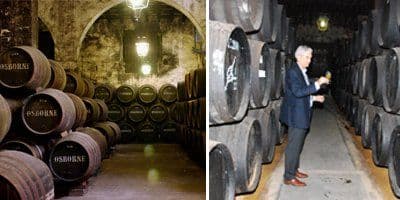
- Ageing under the Soleras System: This ancestral ageing method ensures that each bottle leaving the winery is a blend of wines of different ages, offering complexity and consistency.
The wines are fortified and sweet, which means that in production, they undergo special processes to help their preservation and stability.
The system of winemaking in American oak barrels used by the bodegas is known as criaderas and soleras (fractional blending of vintages using tiers of oak butts) : an exceptional system of ageing that allows young wines to take on the characteristics of older wines.
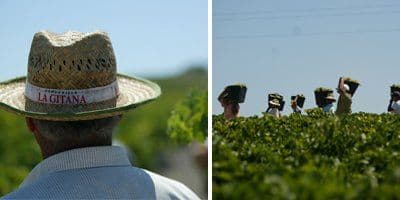
Always starting proceedings with the only three grape varieties authorised by the DO ( Palomino, Pedro Ximénez and Moscatel ), it is through this elaborate process that the various styles are produced, which can be categorised as follows: Fino, Amontillado, Manzanilla, dry and sweet Olorosos, Palo Cortado, Pedro Ximénez, and Moscatel.
The natural characteristics of the terroir are clearly defined by the location and soils, lying in the far south of the country, right at the mouth of the Guadalquivir estuary, while strongly influenced by the Atlantic Ocean and its damp winds.
In addition, the special traits of the region's soil, called Albariza, make it ideal for viticulture. Its spongy and deep composition allows it to retain moisture efficiently during the driest months of the year.
Our Careful Selection of Jerez-Manzanilla
In this online shop, we have chosen for you the finest examples of Sherry and Manzanilla, representing all the varieties and styles that this unique region has to offer.