| Type | White wine |
|---|---|
| Region | |
| Grapes | |
| Producer | |
| Allergens | Contains sulfites |
| Alcohol contenti | 10.0% |

Spec sheet
The wine
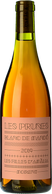
El Novio Perfecto is a young, semi-sweet white wine from Vinos Mondo Lirondo in the DO Valencia. The cuvée is made up of equal parts Moscatel de Alejandría and Viura. Behind the wine are sommelier Bruno Murciano, named Spain’s best sommelier in 2008, and winemaker David Sampedro from the Rioja Alavesa. Their aim was to create a wine with the aromatic character of Moscatel and a fresh acidity that balances the sweetness.
With an alcohol content of just 10 % Vol., El Novio Perfecto is light and unpretentious. It is ideal for anyone looking for a fruity, sweet white wine with a fresh flavour.
What does this wine taste like?
In the glass, the wine appears a pale lemon-yellow with greenish highlights.
On the nose, it is subtle and appealing. Fruity aromas and stone fruit take centre stage, accompanied by the typical aromas of the Moscatel grape.
On the palate, it is light and fresh. The refreshing acidity balances the residual sweetness well, ensuring the wine does not feel heavy. The finish is long and fruity.
View | Lemony yellow / Greenish glints / Bright |
|---|---|
Bouquet | Subtle / Seductive / Varietal aromas / Fruit aromas / Stone fruit |
Mouth | Light / Fresh / Easy to drink / Refreshing acidity / Long / Sweet |
Drinking and storing
El Novio Perfecto is a wine best enjoyed whilst young. It is best drunk between one and two years after the harvest, whilst the fruit and freshness are still the predominant notes. The recommended serving temperature is 12 °C. Pop the bottle in the fridge for a while before serving.
12ºC
Food pairing
Thanks to its sweetness and fresh acidity, El Novio Perfecto makes a great aperitif, whether on the terrace or when meeting up with friends.
It also goes well with mildly spicy Asian dishes, pâté and blue cheese. To round off a meal, you can serve it with fruit desserts or fruit salad.
Customer reviews
Winemaking
The two grape varieties are vinified separately. The Muscat is vinified to produce a completely dry wine and lends the wine its fruity aroma. In the case of the Viura, fermentation is halted by chilling. This preserves some of the grape’s natural sugar and keeps the alcohol content below 10 per cent by volume. The two wines are then blended to create the cuvée.