

The Best Pairing for "Ibérico" Ham
Ham may seem easy to pair. However, not all wines work equally well, and choosing the right one can completely change the experience.
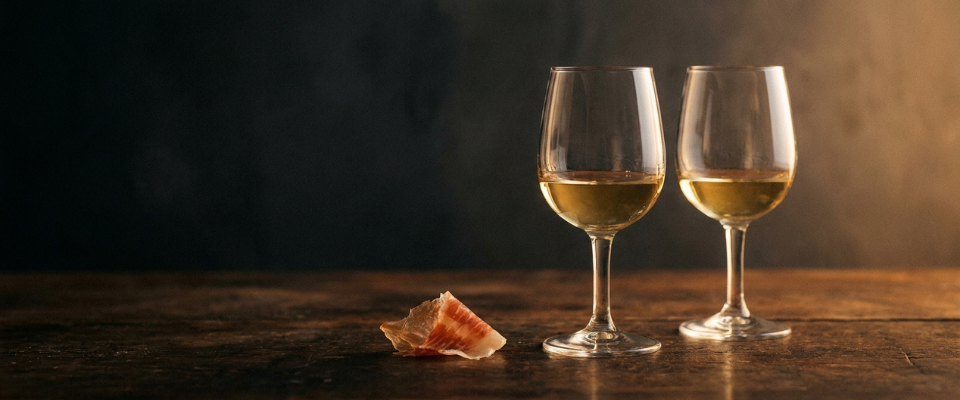
The best pairing for cured ham: starting with Jerez, moving forward with criteria
Cured ham is one of those products that needs no introduction. It is there, it is sliced, it is eaten… and yet, when the time comes to choose a wine, doubts arise. Red or white? With bubbles? Something light or something with body?
The short answer is that there is no single wine for every type of ham. The honest answer is that there is a clear starting point, and from there, several equally interesting interpretations open up.
That starting point has a proper name: Jerez.
Jerez: the reference pairing (and still unbeatable)
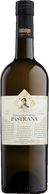
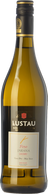
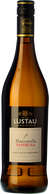
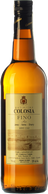
Before talking about alternatives, it is worth saying it plainly: the most precise, refined, and historically coherent pairing for cured ham is a fino or a manzanilla.
This is not a matter of tradition — although tradition is there — but of how wine and ham interact on the palate:
- Absolute dryness avoids clashes with the fat.
- Salinity enhances, rather than masks, the flavour of the ham.
- Acidity cleans the palate and prepares the next bite.
- Notes of yeast, almond and biological ageing echo the aromas developed during curing.
A good fino or a good manzanilla does not merely accompany ham: it sharpens it. It makes it more precise, longer and better defined. That is why they remain the reference wines in many producing houses and among professional ham cutters.
From this point on, everything else is measured in relation to Jerez, not the other way around.
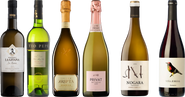
Quality sparkling wines: the most elegant alternative
If Jerez is the undisputed classic, great dry, long‑aged sparkling wines are the most convincing contemporary alternative.
Why do they work so well with ham?
- Fine bubbles clean the fat immediately.
- Acidity refreshes without hardening the whole.
- Long ageing adds complexity without imposing itself.
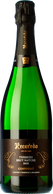
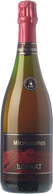
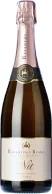
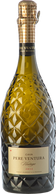
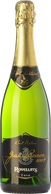
That said, not just any sparkling wine will do. We are talking about dry, precise wines, made with time, not easy or sweet bubbly. Well chosen, they offer a modern, elegant and highly gastronomic pairing, especially with rich, long‑cured ham.
Structured white wines: less obvious, very effective
White wines can also work with ham, provided they meet one essential condition: tension.
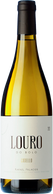
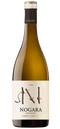
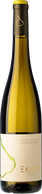
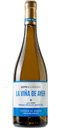
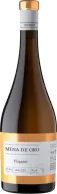
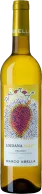
Whites with good acidity, some texture and depth — especially those aged on lees — respect the flavour of the ham and accompany it without competing. They do not seek to stand out, but to support.
It is advisable to avoid overly aromatic or sweet‑leaning whites: here, cleanliness and precision matter more than perfume.
And what about red wines?
They can work, but with nuance and great care.
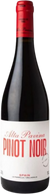
Light, fresh reds with very moderate tannin can accompany a less fatty ham or one of medium curing. By contrast, powerful, heavily oaked or very tannic reds tend to harden the saltiness of the ham and dull its elegance.
If there is red wine, let it be subtle — and always keep in mind that it is a secondary option compared to Jerez or well‑chosen sparkling wines.
So… what is the best pairing?
More than a single answer, there is a clear hierarchy:
- Jerez (very dry fino or manzanilla): the absolute reference.
- Quality, long‑aged sparkling wines: the most refined alternative.
- Tense, structured white wines: discreet and effective allies.
- Light red wines: only in specific cases and with caution.
Ultimately, the best pairing for cured ham is the one that respects the product, cleans the palate, and extends pleasure without tiring the palate. And that is rarely achieved with excessive wines.