| Type | Champagne |
|---|---|
| Region | |
| Grapes | |
| Producer | |
| Allergens | Contains sulfites |
| Alcohol contenti | 12.0% |

Spec sheet
The wine
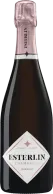
The Cléo Blanc de Blancs 2012 is Champagne Esterlin’s prestige cuvée. The house was founded in 1948 by three families of winegrowers from Mancy, a village on the southern slopes of Épernay near the Côte des Blancs. Today, it is based on Avenue de Champagne in Épernay.
The champagne is made from 100 per cent Chardonnay and is a vintage champagne. The grapes come from the Coteaux Sud d’Épernay in the Mancy valley.
The Cléo is the house’s only cuvée to be vinified in wooden barrels. This gives it greater depth and complexity than a classic Blanc de Blancs.
What does this wine taste like?
In the glass, the champagne is a clear straw-yellow colour with greenish highlights. The effervescence is fine and persistent.
The nose is fresh, complex and ripe. White fruits, particularly apple and pear, dominate.
On the palate, it is rich and refined. Hints of honey lend it a slightly sweet character. The fresh acidity provides balance, and the finish is long.
View | Straw yellow / Clean / Crystal-clear / Greenish glints / Fine and persistent bubbles |
|---|---|
Bouquet | Fresh / Complex / Mature / ripe / White fruit / Apple / Pear |
Mouth | Flavoursome / Rich / Sweet notes / Honey / Refined / Grand final |
Drinking and storing
The 2012 vintage is now ready to drink. However, thanks to the freshness it derives from not having undergone malolactic fermentation, it still has ageing potential for several years. Serve it at a temperature of between 8 and 10 °C. A white wine glass, rather than a narrow champagne glass, allows you to better appreciate the aromas resulting from barrel ageing.
Food pairing
Cléo Blanc de Blancs goes well with fine fish and seafood. It pairs particularly well with scallops and razor clams.
Thanks to its body, it can be served with a fish dish as a main course. However, it is also suitable as an aperitif.
Prime fish / Scallops / Grilled razor clams / Seafood
Customer reviews
Winemaking
Half of the base wine is vinified in 228-litre Burgundy barrels and half in 350-litre half-barrels. No new barrels are used, so that the wood does not overpower the fruit.
Malolactic fermentation is not carried out. This preserves the wine’s freshness and acidity. The second fermentation takes place in the bottle using the traditional method. The champagne is then aged on the lees for several years.
The winery
Champagne Esterlin

In February 1948, three families—Fransoret, Dehu and Cadestin—from Mancy, a village on the southern slope of Épernay near the Côte des Blancs, came together around a shared project to produce champagne. They soon gathered 29 membersacross 23 hectares. Since then, the cooperative has grown significantly, expanding into the renowned Coteaux du Sézannaisand the Marne Valley(La Chapelle Monthodon). Today, 70 years later, the Maison includes nearly 200 partnerscultivating 116...