

The 7 Best Red Wines from Ribera Del Duero You Should Know About
Discover the 7 best red wines from Ribera del Duero. Key producers, styles and terroirs to understand one of Spain’s most prestigious wine regions.
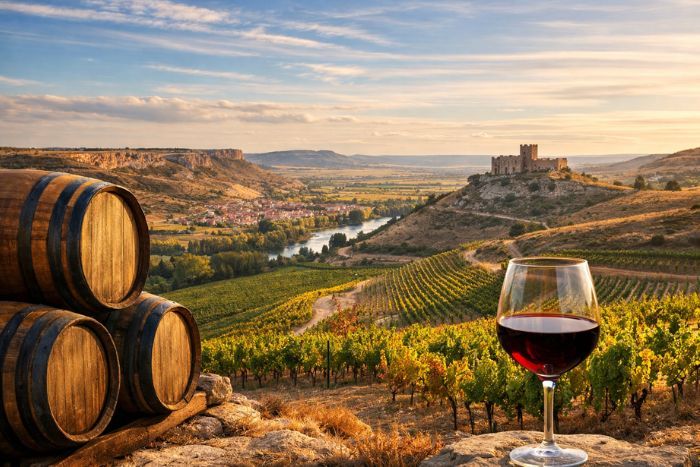
Ribera del Duero is one of Spain's most renowned designations of origin. Its prestige is based on a clear combination of factors: high altitude, extreme continental climate, predominance of Tempranillo grapes and a generation of wineries that have successfully combined tradition and technical expertise.
The result is a range of red wines with identity, structure and ageing potential.
This selection brings together seven wines that help to understand the style and diversity of today's Ribera. They are not the only benchmarks, but they are key names to guide you if you want to delve deeper into the appellation.
Pago de Carraovejas
Pago de Carraovejas is one of the most recognisable wines of the modern Ribera del Duero. It comes from vineyards located in the Peñafiel area, at altitudes above 800 metres, with varied soils that contribute complexity.
The blend is based on Tempranillo, with small percentages of Cabernet Sauvignon and Merlot depending on the vintage.
In the glass, it displays ripe black fruit, spicy notes and a balsamic background. On the palate, it is full-bodied, with polished tannins and well-integrated acidity that balances its power.
It is a wine designed to be enjoyed now, but with medium ageing potential.
Aalto
Aalto is a project focused on old Tempranillo vineyards scattered throughout different areas of the appellation. The approach is clear: concentration, purity of fruit and structure.
The wine stands out for its aromatic intensity, with black fruit, toasted notes and mineral nuances. On the palate, it is deep, with firm but well-integrated tannins.
Its profile is more serious and vertical than other reds from the area, making it a benchmark for those seeking a Ribera with character and ageing potential.
PSI
PSI represents a different vision within the Ribera del Duero region. It is made from old-vine grapes cultivated by small winegrowers, with less intervention in the winery.
The result is a more fluid red wine that is less marked by oak. Red fruit, floral notes and a fresh profile predominate, making it particularly accessible. It is a good example of a less opulent Ribera, designed for gastronomic enjoyment and to understand the stylistic diversity of the appellation.
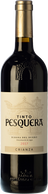
Tinto Pesquera Crianza
Tinto Pesquera Crianza is one of the great classics of the Ribera del Duero. For decades, it has been a benchmark for understanding the traditional style of the region.
The wine offers aromas of ripe fruit, vanilla, leather and sweet spices from barrel ageing. On the palate, it is balanced, with rounded tannins and a persistent finish.
It maintains a recognisable and consistent profile, ideal for those looking for a classic and reliable Ribera.
Pago de los Capellanes Crianza
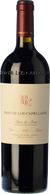
Pago de los Capellanes Crianza combines technical precision and respect for the vineyard. It comes from selected plots and is made entirely from Tempranillo grapes.
It is an elegant wine with clean black fruit, notes of cocoa and well-integrated oak. On the palate, it stands out for its balance, fine texture and long finish without excessive power.
It works well both when consumed relatively young and after a few years in the bottle.
Dominio de Atauta
Dominio de Atauta is located in the Atauta Valley, in Soria, one of the most unique areas of the Ribera del Duero. Its ancient vineyards, many of them pre-phylloxera, grow in an extreme, high-altitude environment.
The wines clearly reflect their origins. They are complex, with fresh fruit, earthy notes and a marked mineral sensation.
On the palate, they tend to be deep, with structure and an acidity that gives them length. This is an essential reference for understanding the finest and most expressive potential of the eastern Ribera.

Flor de Pingus
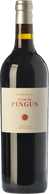
Flor de Pingus is the most accessible expression of a project closely linked to the vineyard and minimal intervention. It is made from old vines, with careful fermentation and moderate use of wood.
The wine stands out for its balance between concentration and freshness. Black fruits, soft spices and an elegant background appear.
On the palate, it is enveloping, with fine tannins and a long finish. It is a good gateway to a more precise Ribera style, oriented towards the expression of the terroir.
A name with many interpretations
These seven wines showcase different ways of understanding Ribera del Duero. From more classic styles to more contemporary interpretations, they all share a common denominator: demanding vineyards and a clear commitment to quality.
If you want to truly understand the appellation, don't stop at just one label. Comparing styles, areas and approaches is the best way to understand why Ribera del Duero continues to be a benchmark in the Spanish wine scene.