Wine in Summer: Tips to Enjoy It More
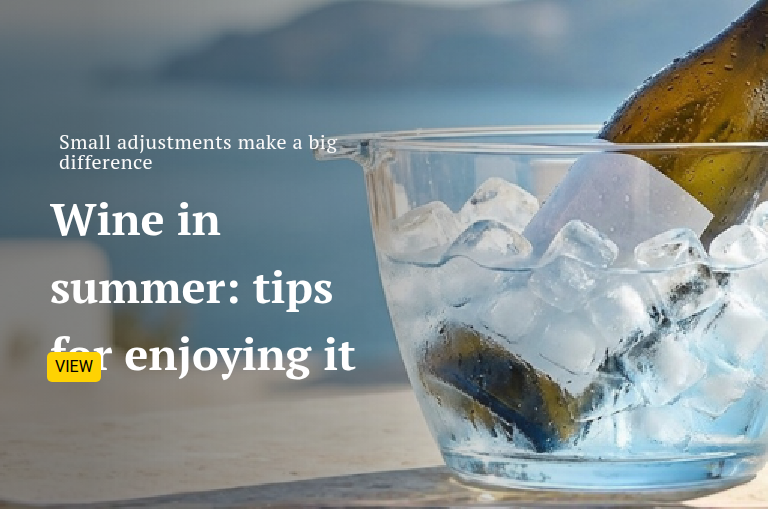
How to get more enjoyment from wine when temperatures rise
Summer changes many things. Schedules change, meals change, and the way we enjoy wine changes too.
A bottle served at the right temperature can feel vibrant and refreshing. The same bottle, served too warm or too cold, can lose much of its appeal. That is why, rather than changing your wine habits completely in summer, it is often enough to adapt a few simple ones.
These are some of the most common questions that arise when the warmer months arrive.
What is the ideal serving temperature for wine?
Serving temperature has a direct impact on a wine's aromas, texture and balance.
A wine that is too cold loses aromatic expression. A wine that is too warm can feel heavy, alcoholic and unbalanced.
Recommended temperatures
Sparkling wines: Between 6 and 8 °C
Young and fruity white wines: Between 8 and 10 °C
Oak-aged or fuller-bodied white wines: Between 10 and 12 °C
Rosé wines: Between 8 and 10 °C
Light-bodied red wines: Between 12 and 14 °C
Oak-aged red wines: Between 14 and 16 °C
A common mistake is to serve red wines at “room temperature”. This may work in winter, but in August that temperature can easily exceed 25 °C.
Can you put ice in wine?
It is one of the most debated questions of the summer.
The short answer is yes, although it depends on what you are looking for.
From a technical point of view, ice cools the wine but also dilutes it. This affects its structure, concentration and some of its aromas.
If the wine is served at the right temperature, it probably does not need ice. However, the choice between drinking an overheated wine and adding an ice cube to make it more enjoyable is not always as dramatic as it may seem.
As a general rule:
- It is best avoided in complex wines or wines intended for ageing.
- It can make sense in young, straightforward wines or in wine-based cocktails.
- An ice bucket is usually a better solution than putting an ice cube directly into the glass.
Which wines work best in hot weather?
There is no single summer wine, but some styles are particularly well suited to higher temperatures.
Fresh white wines
Albariño, Godello, Verdejo and other Atlantic whites usually offer freshness, tension and excellent versatility at the table. Their vibrant acidity makes them ideal companions for lighter summer dishes.
Gastronomic rosés
Far more versatile than they are often given credit for. They pair beautifully with aperitifs, rice dishes, fish and grilled vegetables.
Sparkling wines
Cava, Champagne and Prosecco bring natural freshness and are excellent partners both for aperitifs and throughout an entire meal.
Light red wines
Not all red wines are heavy. Garnacha, Mencía, Pinot Noir and some Atlantic-style reds can be thoroughly enjoyable when served slightly chilled.
How long does an opened bottle last?
Heat accelerates the evolution of wine once the bottle has been opened.
As a general rule:
Sparkling wines: Between 1 and 2 days, ideally with a stopper designed for sparkling wines.
White and rosé wines: Between 2 and 4 days in the refrigerator.
Red wines: Between 3 and 5 days, depending on their structure.
The best recommendation is a simple one: reseal the bottle and keep it cool. Even red wines are better preserved in the refrigerator once opened.



What wine should I serve at a barbecue?
A barbecue is one of the highlights of summer and also one of the occasions where wine can shine the most.
The key is to match the wine to the entire meal, not just the meat.
If vegetables, fish or seafood take centre stage
Choose white wines with good acidity or sparkling wines.
If the menu includes cured meats, burgers or grilled chicken
Go for structured rosés or light-bodied red wines.
If the star of the meal is rich red meat
Opt for fuller-bodied red wines, while serving them slightly cooler than usual.
And one essential piece of advice: keep bottles out of direct sunlight.
Can I take wine to the beach?
Yes, but it is worth taking a few precautions.
The wine's biggest enemy is not the sand or the proximity of the sea. It is the heat.
If you are taking wine to the beach:
- Use a cooler or an insulated bag.
- Avoid exposing the bottle to direct sunlight.
- Try to consume it during the same day.
- Smaller formats and sparkling wines tend to work particularly well.
A bottle that spends several hours on a towel under the sun can deteriorate much faster than most people imagine.
How can you chill a bottle quickly?
We've all been there: guests arrive, and the bottle is still warm.
The most effective solution is not the freezer.
The fastest method
Fill an ice bucket with:
- Water
- Ice
- A handful of salt
The combination of water, ice and salt cools the bottle much faster than ice alone.
Approximate cooling times
White or rosé wine: 15–20 minutes
Sparkling wine: 20–25 minutes
Light red wine: 10–15 minutes
If you use the freezer, set a reminder. Bottles forgotten for too long rarely end well.
Enjoying wine in summer is easier than it seems
Summer does not mean giving up wine or radically changing your habits. It is simply a matter of paying attention to a few details: serving temperature, storage and choosing the most suitable wine style for each occasion.
Because when temperatures rise, small adjustments can make a big difference in the glass.
Discover our summer wine selection
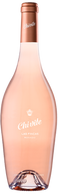
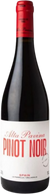
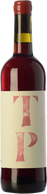
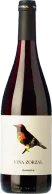
Fresh whites, food-friendly rosés, sparkling wines and light reds to enjoy wine even on the hottest days.