

7 Essential Rioja Red Wines: From Timeless Classics to Modern Terroir
Explore 7 top Rioja reds, including Muga, Ardanza and Murrieta, and learn how to choose by region, ageing, and terroir.
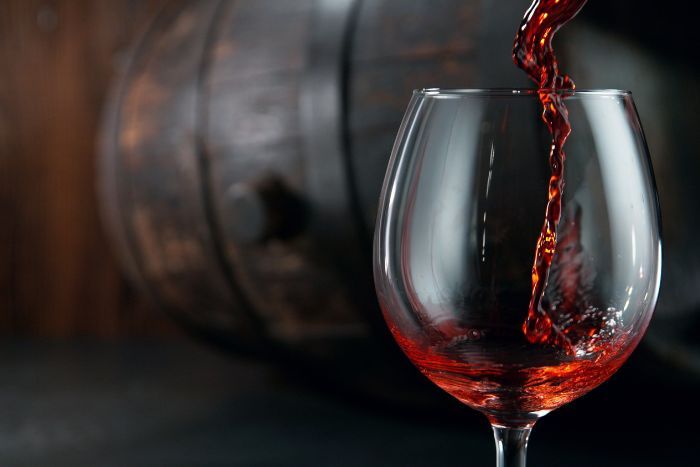
The finest Rioja reds are a masterclass in origin, balance, and precision. Whether defined by the elegance of Rioja Alta, the structure of Alavesa, or the sun-drenched volume of Oriental, these seven selections represent the very best of Spain’s most iconic appellation.
1. La Montesa: The Garnacha-Driven Modernist
Style: Modern, Fruit-Forward, Mediterranean
La Montesa is a beautifully balanced expression of Rioja Oriental. Here, the warmer climate allows Garnacha to take centre stage, offering a riper, more approachable profile than traditional blends.
- In the glass: A vibrant medley of ripe red berries, exotic spices, and polished tannins.
- The Vibe: Effortlessly versatile. This is your go-to for a contemporary Rioja that pairs as well with a casual tapas spread as it does with a formal dinner.
2. Muga Crianza: The Gold Standard of Rioja Alta
Style: Classic, Sophisticated, Consistent
Few names carry the weight of Muga. This Crianza is a masterclass in the "Alta" style—prioritising acidity and freshness while utilising traditional oak ageing to add layers of complexity.
- In the glass: Plush red fruit meets toasted vanilla and sweet spice, finishing with a persistent, structured grip.
- The Vibe: A reliable powerhouse. Perfect for Sunday roasts, grilled meats, or an evening with aged Manchego.

3. Lindes de Remelluri (Labastida): The Terroir Specialist
Style: Fresh, Vertical, Atlantic Influence
If you prefer the "sense of place" over the "scent of the barrel," this is your wine. Sourced from the limestone-rich soils of Labastida, it captures the cool, Atlantic tension of Rioja Alavesa.
- In the glass: Aromatic precision, crunchy acidity, and firm, "stony" tannins.
- The Vibe: For the purist. It prioritises the vineyard's soul over the weight of the wood.

4. Baigorri Crianza: The Bold Architect
Style: Intense, Dark, Structured
Baigorri uses gravity-led winemaking to ensure every drop of flavour is extracted with care. This is an intense, high-altitude Alavesa wine that leans into the darker side of the spectrum.
- In the glass: Inky black fruit, mineral undertones, and expertly integrated oak that adds body without masking the fruit.
- The Vibe: Bold and brooding. This wine demands a seat at the table with a seared ribeye or a rich, slow-cooked stew.
5. Marqués de Murrieta Reserva: The Historic Icon
Style: Aristocratic, Complex, Age-Worthy
As one of Rioja's founding estates, Murrieta defines the "Reserva" category. This is a wine built for the long haul, showcasing the secondary and tertiary notes that only come with patience.
- In the glass: A sophisticated tapestry of dried fruit, tobacco leaf, old leather, and cedar.
- The Vibe: Pure luxury. A must-try for anyone who appreciates the "old world" elegance of a wine that evolves beautifully in the cellar.
6. Viña Ardanza Reserva: The Silky Crowd-Pleaser
Style: Elegant, Tertiary, Polished
Ardanza is a "safe bet" only because it is consistently spectacular. A blend of Tempranillo and Garnacha, it undergoes an extensive ageing process that results in a texture as smooth as silk.
- In the glass: Wild strawberries in liqueur, balsamic hints, and a refined, velvety mouthfeel.
- The Vibe: The celebration wine. It is complex enough for the connoisseur but accessible enough for everyone at the table to love.
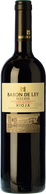
7. Barón de Ley Reserva: The Reliable Classic
Style: Robust, Traditional, Structured
Barón de Ley offers a quintessential look at the traditional style of Rioja Oriental. It is a wine that honours the past, focusing on firm structure and the unmistakable influence of quality oak.
- In the glass: Concentrated plum and blackberry, sweet spice, and chewy, consistent tannins.
- The Vibe: The ultimate comfort wine. It’s the perfect companion for a hearty lamb roast or a rainy evening by the fire.
If you want to explore Rioja wines with a comprehensive overview, these seven bottles are a solid starting point. The real difference lies not only in the label, but in how each wine interprets its origin.