

Organic Wines from Mallorca
5 organic wines that show why Mallorca is no longer just a beach destination
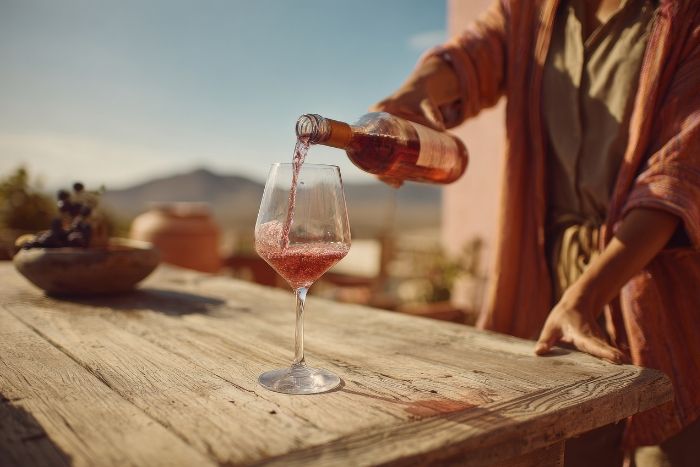
Mallorca has been earning its place on the map of Spanish wine thanks to a distinctive and increasingly recognised identity. For decades it was tied to tourism and seasonal consumption, but today its wines reflect the richness of its native varieties, the tradition of its vineyards and the work of producers who have managed to recover and showcase their winemaking heritage.
In recent years, the island has consolidated a new generation of small producers who are redefining what the label "Mallorca wine" means. Many of them work with organic farming and champion native varieties, small-scale production and an approach to wine closely bound to the land.
We're not talking about a trend.
We're talking about native varieties rescued from extinction, vineyards that have belonged to the same family for centuries, and limited-production projects that, in most cases, barely reach a few thousand bottles.
What "organic wine" means in Mallorca
It's worth clarifying something before getting into it: when we talk about organic wine in Mallorca, we're talking about a way of working closely tied to the land and to the island's characteristics.
For many producers, organic farming is part of a philosophy based on respect for the vineyard, biodiversity and natural cycles, certified in most cases by the Balearic Council for Organic Agricultural Production (CBPAE), the regional body responsible for auditing and certifying organic farms in the Balearic Islands under European organic production regulations.
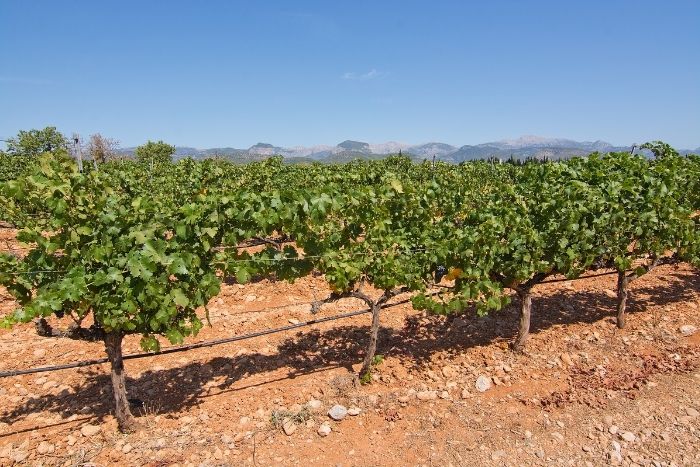
The vineyards tend to be small and sit alongside garrigue scrubland, olive trees and other traditional crops. What's more, the island's isolation has helped preserve native varieties that today form part of its winemaking heritage: premsal, callet, mantonegro, gorgollassa and malvasía de Banyalbufar. Varieties little known outside the island, but essential to understanding the character and the current moment of Mallorcan wine.
Two Designations of Origin and a label that crosses them all
Mallorca has two Designations of Origin of its own: DO Binissalem, the oldest in the Balearics, in the Raiguer area, and DO Pla i Llevant, in the centre and east of the island, as well as the Vi de la Terra Mallorca label (a protected geographical indication used by many wineries that, despite farming organically, prefer not to stick to the stricter varietal framework of a DO).
This dual approach explains why you'll find organic wineries both within and outside the official designations: organic certification and Designation of Origin are two independent seals that don't always go hand in hand, and shouldn't be confused.
Bodegas Ribas and the island's oldest memory
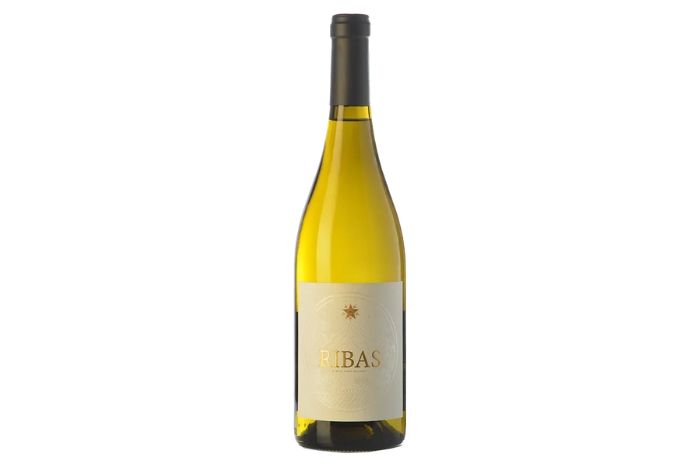
Let's start with the doyen. Bodegas Ribas boasts, not without reason, of being Spain's oldest family-run winery: its origins date back to 1711, to a certain Pedro Ribas de Cabrera, who worked with vines and olives among the island's traditional crops, in the municipality of Consell.
Three hundred years on, the family remains at the helm, today with the tenth generation leading technically, and since 2016 all of its wines have held official organic farming certification, after registering all its vineyards with the Consell de Agricultura Ecológica in 2014.
One of its most honest wines is Ribas Blanc, a single-varietal made from prensal, that native grape we mentioned earlier, which doesn't try to impress with power but with character.
Citrus, lime, white fruit, an undertone of fennel that's a reminder we're in the Mediterranean and nowhere else. It is, at heart, an aperitif wine made for long conversation, the kind that goes well with an afternoon without demanding the spotlight.
Can Majoral and the lesson of the three red grapes
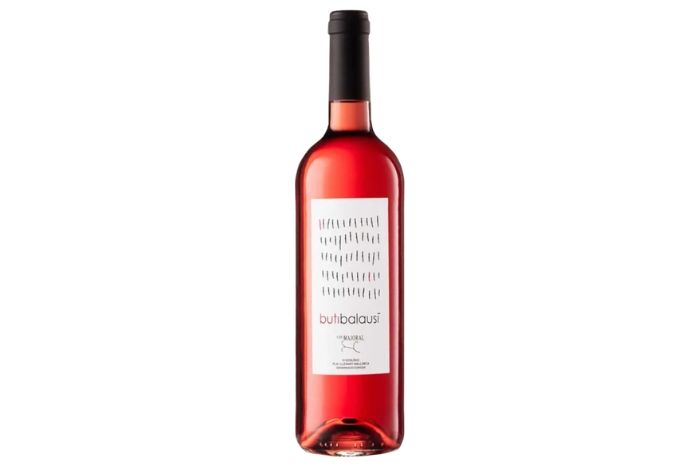
Moving on from prensal into rosé brings us to Can Majoral, a family winery founded in 1979 by the Oliver family in Algaida, within the DO Pla i Llevant. Organic farming has been part of the project from the outset, and today all its wines are certified by the CBPAE, across 17 hectares where up to fourteen different grape varieties grow side by side.
Its Butibalausí Rosat is a blend of callet, tempranillo and syrah that shows a Mallorcan rosé doesn't have to settle for the obvious. Here callet, another native variety and the island's undisputed red-grape queen, brings that red fruit character and freshness that sets well-made rosés apart from wines that are simply a decolourised red.
It's not a wine designed to impress anyone; it's the kind you stumble upon by chance, recommend to a friend, and end up making the season's quiet favourite.

Can Axartell: a blend of modernity and eight hundred years of history
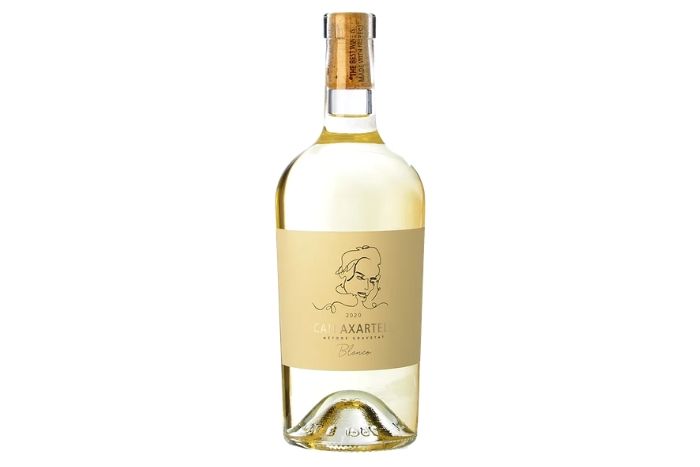
There's something almost paradoxical about Can Axartell: it's among the island's most modern wineries, located in the north-east, near Pollença, and yet it boasts a history stretching back eight hundred years.
When the first modern vineyard was planted there in 1999, an application was already made for inclusion in the certified organic production register, a commitment the estate has maintained ever since across the whole of its 17 hectares of vines.
Its Blanco blends malvasía de Banyalbufar and prensal, with four months' ageing on lees that give it an unusual creaminess for an island white.
It's not a wine chasing the cutting acidity of an Atlantic white; it aims instead for that Mediterranean harmony between ripe fruit and freshness, which explains why it's increasingly appearing on restaurant lists that no longer file it under "local curiosities" but among the serious whites.

£10
Special offer available for a minimum purchase of £99. Discount voucher valid for four weeks from issue date. Cannot be used in conjunction with other promotions except for the free delivery special offer.
4 kilos and the prestige that came from abroad
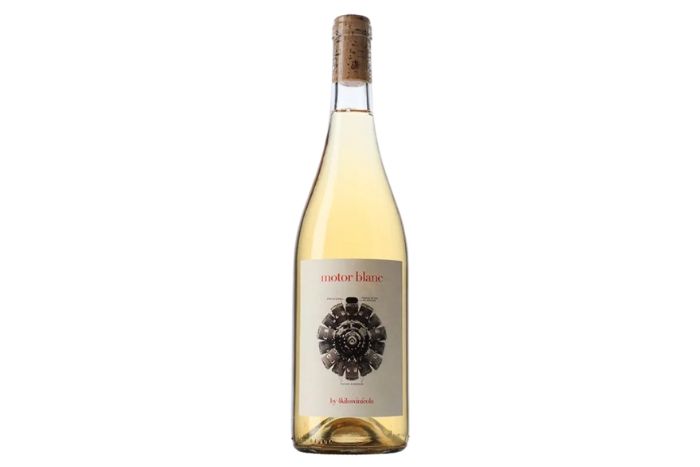
If there's one name that has done more than any other to lift Mallorca out of the tourist ghetto, it's 4 Kilos Vinícola. Founded in 2006 by Francesc Grimalt, former winemaker at Ànima Negra, and Sergio Caballero, co-founder of the Sónar festival, the winery was literally born in a winegrower friend's garage and today hands out high Parker scores with a regularity nobody disputes any more.
Its vineyards, spread between the south and north of the island — which is why they don't fall under any DO and are bottled as Vino de la Tierra de Mallorca — are certified organic.
Its Motor Blanc, fifty per cent prensal and fifty per cent malvasía, comes close to ninety-three Parker points in the current vintage, and does so without losing that island character that is precisely what sets it apart from any generic Mediterranean white.
I'm not sure it needs saying, but it's worth repeating: here the high score doesn't come with a price tag fit for a wine meant for laying down. At heart, it remains a wine for immediate enjoyment.
Mesquida Mora and biodynamics as a philosophy, not just a label
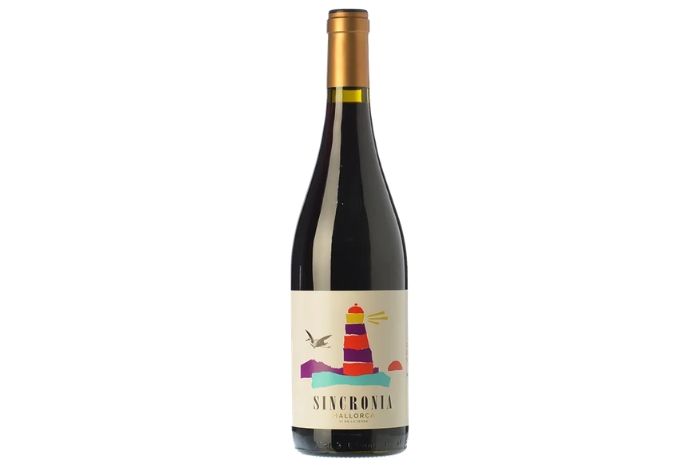
We close with a red, and perhaps with the fullest example of where organic Mallorcan viticulture is heading. Mesquida Mora is the project of siblings Bàrbara and Jaume Mesquida, the fourth generation of a winegrowing family from Porreres who work not simply to organic principles but to biodynamic ones — a step further in terms of commitment to the vineyard ecosystem, complete with a lunar calendar and natural preparations.
Their Sincronia Negre blends callet and mantonegro with syrah and merlot, and the result is a lively red, with forest fruit, mineral notes and a structure that more than one taster has likened to Priorat.
That's no coincidence: the search for balance in the vineyard as a complete ecosystem, rather than simply a source of grapes, produces the kind of complexity that's hard to find in wines at a similar price.
What these five organic Mallorcan wines have in common
What links these five wineries isn't just their geographical origin or the organic certification they share. It's a way of understanding wine that prioritises native varieties over international grapes, small-scale production over scale, and respect for the vineyard as a living system over yield per hectare.
Mallorca may still lack the prestige of Rioja or Ribera del Duero among the average consumer, and that's unlikely to change any time soon. But for anyone looking for something that isn't already on every shelf, for anyone who wants to tell their guests a different story from the usual one, the island currently offers one of the most distinctive and most organic catalogues in all of Spanish wine.
You can discover the rest of the island's wineries and wines in Vinissimus's selection of Mallorca wines.
Frequently asked questions about organic wines from Mallorca
What is an organic wine?
It's a wine made from grapes grown without synthetic chemical fertilisers or pesticides, following European organic production regulations, and certified by an authorised body in the Balearics, the CBPAE, which audits both the vineyard and the winemaking process.
Are all Mallorcan wines organic?
No. Mallorca has many high-quality conventional wineries. What sets the five wineries in this article apart is that they have obtained official organic farming certification (or, in the case of Mesquida Mora, biodynamic certification) for the whole of their vineyards.
Which native grapes are used in Mallorca's organic wines?
Mainly prensal (white), callet, mantonegro and gorgollassa (red), and malvasía de Banyalbufar (aromatic white), often blended with Mediterranean varieties such as syrah, merlot or tempranillo.