

Barolo Red Wine: What You Should Know Before Opening a Bottle
Learn what makes Barolo red wine distinctive, from Nebbiolo grapes and DOCG rules to ageing, flavour evolution and food pairings. A clear guide for wine lovers.
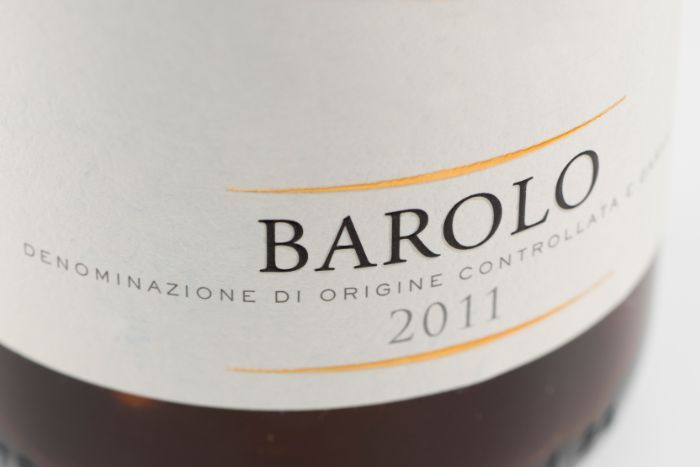
Barolo red wine is often described as one of Italy’s most demanding red wines, yet it rarely makes an immediate impression. At first taste, it can seem restrained, even austere, especially to those used to softer or more fruit-driven styles.
This is not a flaw but a defining trait. Barolo opens up slowly, shaped by time, air and context, and it asks the drinker to slow down as well. When given that space, it reveals a precise, layered experience in which structure, aroma and depth come together with uncommon clarity.
Origin that defines style
Barolo is a small town in the Piedmont region of northern Italy, but the wine takes shape beyond the village itself, across the surrounding Langhe hills. It is here that Barolo is produced under DOCG status, the highest quality classification in Italy, which tightly regulates origin, methods and ageing.
The rules are clear. Barolo can be made only from Nebbiolo grapes. No other varieties are permitted. This strict limitation is one of the main reasons the wine has such a distinctive and recognisable character, both in structure and in aroma.

Compliance with these DOCG regulations is overseen by the Italian Ministry of Agriculture together with the Consorzio di Tutela Barolo Barbaresco Alba Langhe e Dogliani, the body responsible for protecting and controlling the appellation.
Why Nebbiolo grapes are so complex
Nebbiolo ripens late and is sensitive to climate. It needs plenty of sun, but not too much heat, as well as specific calcareous soil. Because of this, it rarely reaches the same level outside Piedmont.
In the glass, this means high acidity, pronounced tannins, and a relatively light colour that is often misleading. The colour may appear light, but the structure is strong and long-lasting.
How Barolo differs from other red wines
Barolo red wine is not intended for immediate enjoyment. Unlike many fruit-forward reds, it seldom shows its best side in youth and can feel reserved or even severe when opened too early.
With time, its aromatic profile shifts clearly and recognisably. Younger bottles are more likely to show cherry and dried flower notes, while maturity brings deeper aromas of tobacco, leather, mushroom and truffle.
£10
Special offer available for a minimum purchase of £99. Discount voucher valid for four weeks from issue date. Cannot be used in conjunction with other promotions except for the free delivery special offer.
These are not poetic inventions but standard sensory references used by sommeliers to describe how Barolo evolves as it ages.
Maturation and time
According to DOCG regulations, Barolo must be aged for at least 38 months, including at least 18 months in oak barrels. The Riserva category requires a minimum of 62 months of ageing.
It is important to understand that these are minimum requirements. Most Barolos on the market are still young and can improve significantly after 10 or even 20 years.
Traditional and modern approaches
Barolo is far from uniform, even within the same village. Much of the variation comes from differences in winemaking philosophy rather than location alone.
More traditional producers favour long fermentations and ageing in large, old barrels. Their wines tend to be austere when young, but they reward patience with remarkable longevity.
Others take a more modern approach, using shorter macerations and smaller barrels to produce wines that are more approachable earlier on, while still maintaining structure and ageing potential.
Both styles are well established and widely recognised on the market, offering different expressions of the same appellation rather than a hierarchy of quality.
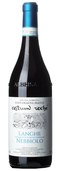
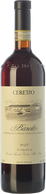
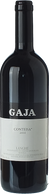
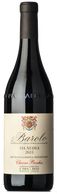
When Barolo reveals itself best
Barolo almost always shows its best side at the table. Without food, its tannins can dominate the palate and overshadow the wine’s aromatic detail.
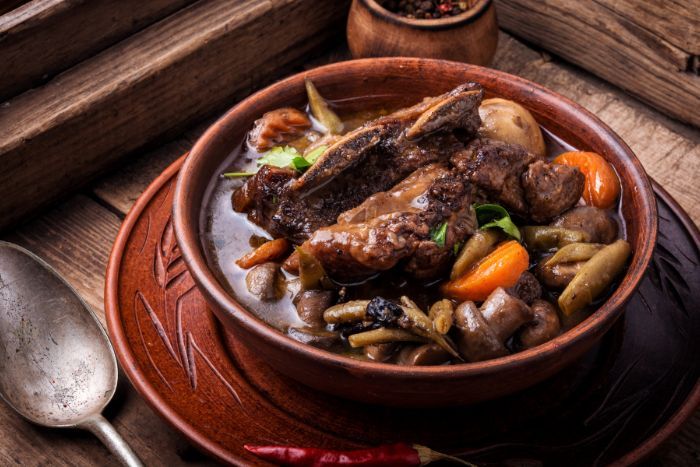
The most natural pairings come from local cuisine. Meat-based dishes, slow-cooked preparations, aged cheeses and mushrooms all provide the weight and texture Barolo needs to fully express itself.
When this wine may not be suitable
Barolo red wine is not a universal choice. If you are looking for a light, casual wine or a drink without food, this style is probably not the right choice. It is intended for situations where wine is part of the dinner, not just a backdrop.
Why Barolo remains relevant
Barolo is often called the "king of wines," but this title has not survived because of historical anecdotes. It has remained so because of its clear origins, strict rules, and ability to change with the times.
This is a wine for people who love not only the taste, but also the process. If you are seriously interested in wine, Barolo will sooner or later become an inevitable experience.