| Type | Rosé Wine |
|---|---|
| Region | Wines without GI (Spain) |
| Grapes | |
| Producer | |
| Allergens | Contains sulfites |
| Alcohol contenti | 14.0% |

Spec sheet
The wine
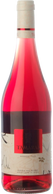
Nuviana Rosado comes from the Nuviana Winery, situated in Belver de Cinca, in the province of Huesca (Aragon). The winery belongs to the Raventós Codorníu group. The name Nuviana derives from the Old Spanish word ‘Novellana’. It refers to the newly hatched chicks in a nest and symbolises the young, fresh style of the wines. This rosé is a blend of Cabernet Sauvignon and Tempranillo. It has an alcohol content of 14% vol., is fruity and full-bodied, and pairs well with many dishes.
What does this wine taste like?
In the glass, the wine displays a clear, light raspberry red colour.
The nose is very intense and persistent. Red fruits such as raspberry, strawberry and cherry come to the fore, underpinned by a fresh note.
On the palate, the rosé is well-balanced and structured, with good acidity. Flavours of wild berries, redcurrant and strawberry emerge. The finish is fresh, pleasant and lingering.
View | Raspberry pink / Clear / Bright |
|---|---|
Bouquet | Very intense / Persistent / Red fruit / Raspberry / Strawberries / Cherries / Fresh |
Mouth | Balanced / Structured / Good acidity / Wild fruits / Redcurrant / Strawberries / Fresh / Pleasant finish / Persistent |
Drinking and storing
Nuviana Rosado is a wine best enjoyed whilst young. It is best drunk between one and two years after the harvest, whilst the fruit and freshness are still the predominant notes.
Serve it well chilled, at a temperature of between 8 and 10 °C.
Food pairing
This rosé goes well with many dishes. It pairs well with rice dishes, pasta and pizza. It is also a good choice with cooked sausages and white meat.
Thanks to its body, it also complements firm-fleshed fish, such as monkfish, cod, stockfish or tuna.
Cooked sausages / Rice dishes / Pizza / Pasta dishes / Prime fish / Angler fish / Cod / Tuna / White meats
Customer reviews
Winemaking
The grapes come from Nuviana’s own vineyards. After destemming, they undergo maceration for 18 to 20 hours at below 10 °C in stainless steel tanks. The must is drawn off from the tanks containing Cabernet Sauvignon and Tempranillo using the saignée method.
It then ferments in stainless steel tanks at a controlled temperature below 18 °C. The wine is kept in stainless steel until bottling to preserve its freshness.