

Natural Wine Online
Discover our curated selection of natural wine, made with minimal intervention and the utmost respect for the land. These wines are produced using organic or biodynamic farming, native yeasts, and little to no added sulphites — resulting in honest, terroir-driven bottles from small, independent producers across Spain, France and Italy.
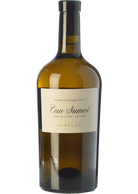
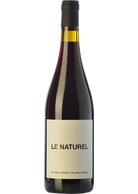

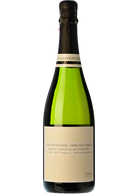
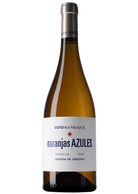
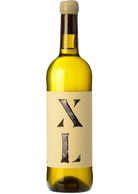
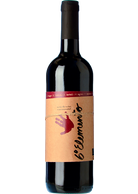

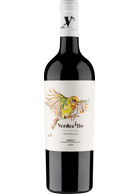
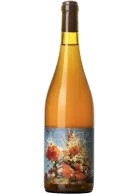
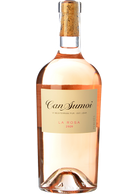
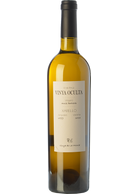

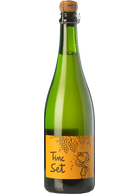

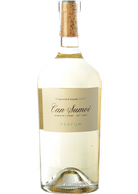
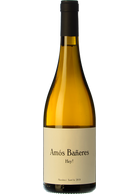
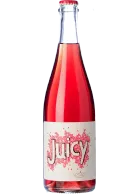
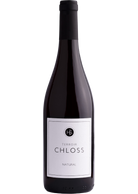

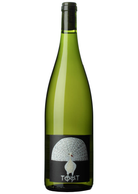
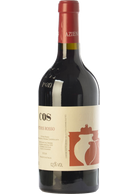
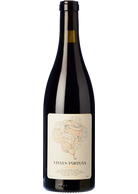
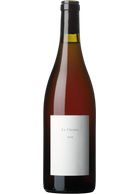
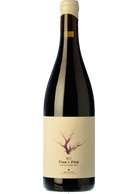
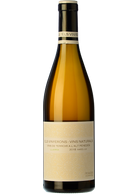
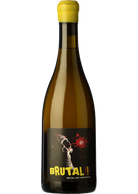

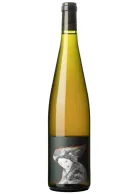
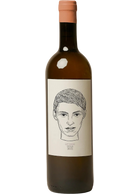
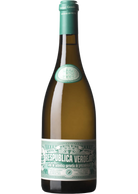
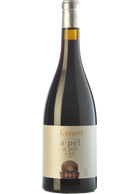
"Natural wine" isn't a legally protected term, but most producers using it follow the same principles: minimal intervention in the vineyard and the cellar, no fining or filtering, and no additives beyond what fermentation produces naturally. The result is wine that tastes closer to the grape and the place it came from — sometimes cloudier, sometimes funkier, always distinctive.
Want to understand the style before you buy? Read our guide on what natural wine is.
What is natural wine?
Natural wine is made with as little intervention as possible: grapes grown organically or biodynamically, spontaneous fermentation with wild yeasts, and no — or minimal — added sulphites. There's no single legal definition of "natural wine," but the philosophy is shared across producers: let the grape and the terroir speak, without correcting or manipulating the final result.
This is different from organic wine, which refers specifically to how the grapes are farmed, and from sulphite-free wine, which refers to the winemaking process — a natural wine is usually both, but not every organic wine is natural, and vice versa.
Is natural wine vegan?
Many natural wines are vegan, since traditional fining agents like egg white or casein (both animal-derived) are often skipped in favour of no fining at all, or plant-based alternatives. However, not all natural wines are labelled vegan, so check the product page or filter by our vegan wines selection to be sure.
Does natural wine cause fewer headaches or hangovers?
Some drinkers report feeling better after natural wine, often linking this to the lower sulphite content. However, there's no scientific consensus that sulphites are the main cause of wine headaches — factors like alcohol content, histamines and individual tolerance also play a role. As always, please drink responsibly.
What's the difference between natural wine and organic wine?
Organic wine refers to how the grapes are grown — without synthetic pesticides or fertilisers. Natural wine goes further, extending that low-intervention philosophy into the winery itself: minimal additives, no fining or filtering, and little to no added sulphites. In short: all natural wine tends to be organically farmed, but not all organic wine is made naturally.