

The Txakolí: from humble wine to trend
Nearly three centuries ago, the Diccionario de Autoridades didn’t hold back when describing txakoli: “a wine of low quality and little substance.” The current definition by the RAE, while less harsh, doesn’t help much either: “a light, somewhat sour wine made in the Basque Country.” Light. Sour. Basque. End of story. And yet here we are in 2026: gastronomic restaurants across half of Europe proudly listing txakolis alongside prestigious Albariños, cult Godellos and Burgundies whose prices sting more than the acidity of old‑school txakolis. Something has happened. Something big.
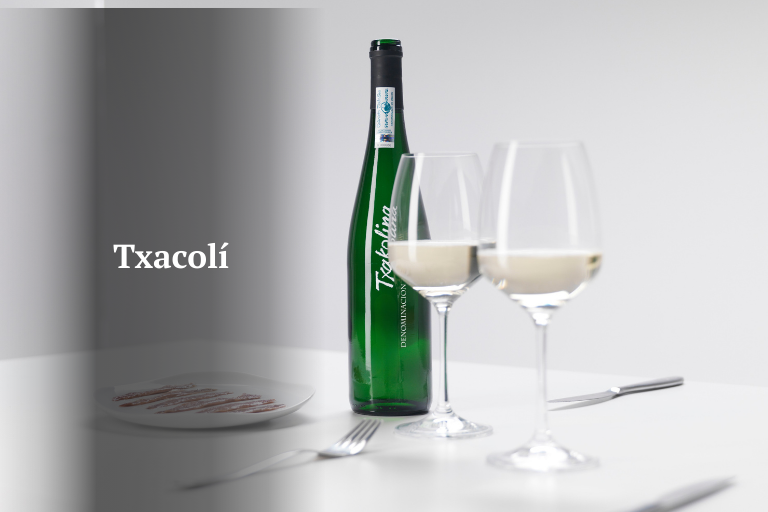
The major shift: from farmhouse wine to conversation wine
For decades, txakoli carried a reputation that not even aggressive racking could fix: green, sharp, spritzy—a rite of passage in taverns where fried fish begged for mercy.
But that story is now oenological archaeology.
Today’s reality is radically different.
The sector itself acknowledges it: the latest Getaria harvest reaches around 3.3 million bottles, with 31 active wineries and 479 hectares, and a quality considered “good” and stable. And we’re not just talking volume; we’re talking new level, precision, ambition.
The “bereziak”: the Basque word for “now we’re serious”
The magic word is bereziak: txakolis made for ageing.
At least five months of ageing in steel, clay or barrel—and a concept that changes everything: txakoli is no longer a wine meant for the year; it’s a wine that wants to last.
It’s not just a technique: it’s a statement.
Acidity—once a reason for ridicule—has become a passport to longevity, that Atlantic tension so sought after by today’s consumers: sharp, vibrant, electric wines.
According to technical experts, it’s been a “collectively driven radical transformation” towards quality and diversity.
The value of origin: three D.O.s, three styles
The strength of txakoli lies in its diversity, structured across three appellations:
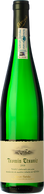
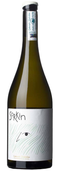
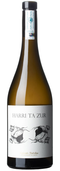



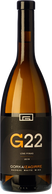
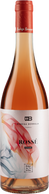
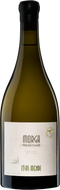
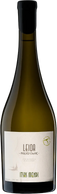
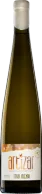

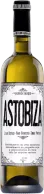
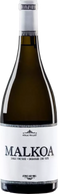
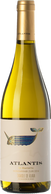
The grapes: the soul of txakoli
Txakoli wouldn’t be what it is without its native grapes. Three names, three personalities, three ways of expressing Atlantic freshness.
Hondarrabi Zuri: the backbone
It is the grape of txakoli. Small, resilient, and naturally high in acidity—once seen as a flaw, now a treasure.
It gives those tense, saline, razor‑sharp wines capable of ageing far better than anyone expected a decade ago.
In the glass, it typically shows white fruit, citrus and that unmistakable mineral touch from the Cantabrian coast.
Hondarrabi Zuri Zerratia: the elegant cousin
More delicate, more floral, more subtle.
Where Zuri provides structure, Zerratia adds layers: texture, volume, perfume.
It’s the grape behind many of the gastronomic, long‑lived txakolis now emerging.
Hondarrabi Beltza: the quiet revolution
For years it was used mostly for light reds or simple rosés.
Today, thanks to a new generation of winemakers, Beltza is experiencing its own revival:
fresh, vibrant reds, serious rosés, and even single‑parcel wines with real character and tension.
A reminder that txakoli isn’t only white—and that Basque varieties still have much to say.
The consumer has changed… and so has txakoli
The new wine lover wants landscape, not artifice.
They want wines that taste of where they come from—even if they can’t pronounce Hondarrabi Zuri on the first try.
And here, txakoli shines.
The technical director of Bizkaiko Txakolina says the new wines are true “ambassadors of the territory,” finally appreciated as Atlantic wines: saline, sharp, expressive—from fatty fish to contemporary cuisine.
Micro‑plots, lees, ambition: the revolution begins in the vineyard
Small wineries like Astobiza in Álava have shown that txakoli can be as serious as any benchmark white.
Micro‑plots, spontaneous fermentations, lees work, minimal intervention…
And above all, breaking the stereotype of txakoli as a “quick‑drink wine and nothing more.”
Meanwhile, many producers who once exported almost everything—because it wasn’t valued here—now sell 50% in Spain. A clear sign that the local market has woken up.
The unexpected ally: climate change
Here comes the paradox: climate change, a threat to so many wine regions, has—partly—favoured txakoli.
Experts explain that Hondarribi Zuri now reaches more homogeneous ripeness, greater concentration and more stability. “Euskadi will become a privileged place for white wines,” they say.
Of course, with caveats: unprecedented hailstorms, torrential rain, unexpected frosts… but overall, the style has refined.
The final verdict: after three centuries, the dictionaries must be corrected
What began as a humble farmhouse white is today a wine competing on equal footing with Europe’s great Atlantic whites.
It has earned its place bottle by bottle, plot by plot, lees by lees.
Txakoli is no longer light. No longer sour. No longer “low quality.”
It is a wine with identity, future and a brilliant present.
A new era. A new story. A white that has finally grown up.