

Italian Frizzante Wine vs Spanish Frizzante Wine
Discover the differences between Italian and Spanish frizzante wines. Bubbles, aromas, sweetness, and when to choose each depending on the occasion and the food.

Some wines make a big splash, whilst others prefer to win you over without raising their voice. Frizzante wine falls into the latter category. It has a sparkle, freshness, and a natural ability to make everything at the table come together better.
Italy has successfully established this style as a distinct category. Spain, on the other hand, has lumped it together with ‘vinos de aguja’, light sparkling wines, and other wines with a gentle effervescence. It is not a question of who does it best, but of how each interprets it.
And that is where it gets interesting.
What is a frizzante wine?
A frizzante wine has a softer effervescence and lower pressure than a classic sparkling wine. That is why it is lighter and easier to drink.
The pressure is usually between 1 and 2.5 bar, compared to the more than 3 bar of a traditional sparkling wine. This is stipulated by European regulations on sparkling wines.
How it feels on the palate
From there, everything changes.
The effervescence is more subtle.
The mouthfeel is smoother.
The overall sensation is less structured and more direct.
It doesn’t seek complexity. It seeks ease.
When it’s best suited
It isn’t a wine reserved for special occasions. It’s a wine for the moment.
It works well with appetisers, informal meals or as a first drink. It also fits the bill when you’re looking for something refreshing without the intensity of a sparkling wine.
Frizzante does not mean sweet
It’s worth clarifying this. Frizzante does not mean sweet. It can be dry, fresh, and quite precise.
The difference lies in how the carbonation is integrated, not in the amount of sugar.
Why it’s not the same as a sparkling wine
The difference lies in the pressure, the method, and the mouthfeel.
A sparkling wine, such as Champagne or Cava, has a pressure of over 3 bar. A frizzante ranges between 1 and 2.5 bar. This changes the intensity of the bubbles from the very first sip.
It also changes how it’s produced.
Sparkling wine usually undergoes a second fermentation, either in the bottle or in a tank. This is what creates a finer, more persistent bubble. Frizzante may undergo a single fermentation or a controlled addition of gas. The result is more straightforward.
You can tell the difference immediately on the palate.
Sparkling wine is fuller-bodied, has more structure and a continuous bubble.
Frizzante is lighter, less assertive and easier to drink.
They don’t serve the same purpose.
Sparkling wine is associated with celebrations or more formal occasions.
Frizzante is suited to everyday, more relaxed drinking.
Why Italian frizzante is instantly recognisable
Italian frizzante typically offers light fruit notes, gentle bubbles, and an overall sense of ease that makes it recognisable from the very first sip.
Italy has achieved something very difficult: simplifying a category without diminishing it. It has established a clear concept in the consumer’s mind. You know exactly what to expect.

This is evident in wines such as Prosecco frizzante, as well as in other light-bodied styles designed for an aperitif, a terrace, or a casual meal.
They aren’t trying to impress. They’re trying to fit in. And they usually do so well.
Which Spanish wines are in the same league?
The Spanish equivalents of frizzante are usually semi-sparkling wines, young sparkling wines, or light-bodied traditional method wines with a gentle effervescence.
Spain has the product, but it doesn’t always present it under the same mental label. Here, light bubbles appear in different forms, not in a single recognisable category.
That means you have to look a little closer.
You may come across fresh, lively, very well-made wines… but they aren’t called frizzante.
And that’s where the fun begins for anyone looking to discover something different.
Where the difference really shows
Italian frizzante usually has a rounder, gentler effervescence, whilst the Spanish version can display more tension and acidity.
It’s a difference in texture, but also in intention.
In Italy, the bubbles soften and complement. Everything is designed so that the wine flows without resistance.
In Spain, even in lighter styles, there is often a slightly more vertical profile. More edge. More character.
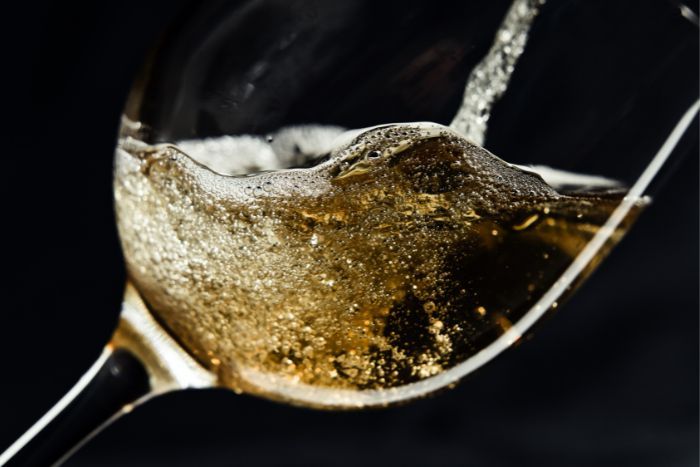
It’s neither better nor worse. It’s simply a different character in the glass.
How aromas differ between Italy and Spain
Italian frizzante tends to feature white fruit and floral notes, whilst the Spanish variety can lean towards citrus, herbs, and more Mediterranean profiles.
Italy plays the clarity card—clean, direct, easily recognisable aromas.
Spain, on the other hand, often leaves a stronger mark of its origin. There are livelier, more herbal notes, more closely linked to the landscape.
One is easy to approach. The other, at times, requires a bit more explanation.
Are Italian wines sweeter?
Not necessarily. There are dry Italian frizzantes and Spanish wines with a certain sweetness, although Italian wines are often perceived as rounder.
The key lies in the sensation, not just the technical data.
The combination of fruit, bubbles and acidity in many Italian wines creates a softer impression. In Spain, the acidity can make the whole taste more taut.
That is why two wines with similar sugar levels can seem very different.
The grapes also define the style
Italy tends to rely on varieties such as Glera, Moscato or Lambrusco; Spain turns more to Macabeo, Xarel·lo, Parellada or Verdejo.
And you can tell the difference.
Italian grapes tend to have more aromatic and direct profiles. Spanish grapes offer greater diversity and, in many cases, an expression more closely linked to the terroir.
The result is not just a difference in flavour. It is a difference in character.
When to choose an Italian frizzante
Italian frizzante is a safe bet when you’re looking for something easy-drinking, refreshing and that works without needing any particular occasion.
It goes well with appetisers, informal gatherings or situations where the wine doesn’t need to take centre stage, but should still be enjoyable.
It’s the sort of bottle you open without thinking too much about it… and finish sooner than expected.




When to choose a lively Spanish wine
A lightly sparkling Spanish wine usually works best when there’s food involved or when you’re looking for something with a bit more bite.
Seafood, tapas, rice dishes, fish… here the wine needs to do more work.
And many Spanish wines perform better than they appear at first glance.
These aren’t wines that aim to please everyone. They are wines that, when they hit the mark, do so with greater purpose.




Pairing: where they clearly differ
Italian frizzante goes very well with appetisers and casual dining, whilst the Spanish variety tends to pair better with more gourmet dishes.
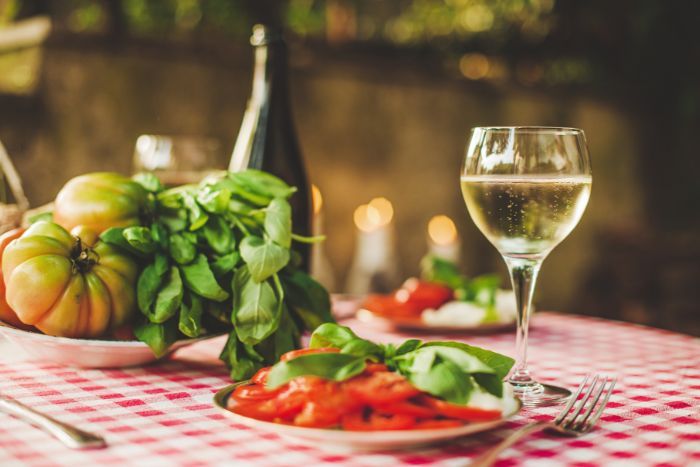
Italy is known for: fresh cheeses, vegetables, pizza, light pasta dishes, and snacks.
Spain is renowned for: seafood, fish, rice dishes, tapas, and tinned foods.
It’s not just a question of taste. It’s about the role wine plays at the table.
Common mistakes when buying this type of wine
Not all sparkling wine is suitable for the same occasion, and choosing without considering the context is usually the most common mistake.
You should also avoid:
- serving it too cold
- ignoring the level of sweetness
- thinking it’s only for toasting
- choosing by country rather than by occasion
Here, the small details make a big difference to the experience.
So, which one to choose?
Choose an Italian frizzante if you’re looking for an easy, fruity glass. Opt for a Spanish one if you prefer more tension and a more gastronomic profile.
Italy usually wins on immediacy. Spain, on character.
And the interesting thing is that you don’t have to choose one or the other forever.
The difference isn’t in the country. It’s in what you expect to happen when you serve the glass. And that’s where this comparison stops being theoretical and starts becoming useful.