

Côtes Du Rhône Red Wine: What Lies Behind the Label We Have All Seen
Côtes du Rhône red wine explained without jargon. Grapes, styles, Villages, food pairing and why it offers solid value for everyday drinking.
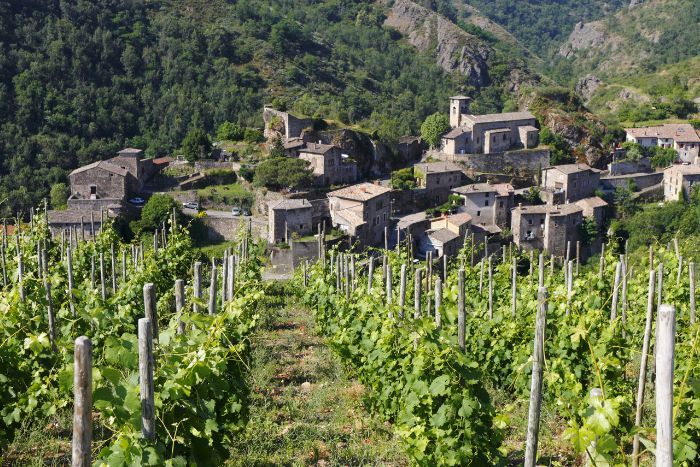
Côtes du Rhône is one of the most common French wines in Europe. It is easy to find in UK shops, wine bars, and restaurants. However, many people choose it out of habit rather than understanding. It is a wine whose name is known to many, but the region itself and its logic remain unclear.
If you are a wine lover who is curious about what really lies behind the bottle you pour into your glass, this article is for you.
What is Côtes du Rhône really?
Côtes du Rhône is an official French protected designation of origin, AOP. It covers more than 40,000 hectares of vineyards along the Rhône River. The region is divided into northern and southern parts, but most of the Côtes du Rhône red wines are produced in the south.
According to data from the French origin control authority INAO, red wine accounts for about 65 per cent of the region's total production.
£10
Special offer available for a minimum purchase of £99. Discount voucher valid for four weeks from issue date. Cannot be used in conjunction with other promotions except for the free delivery special offer.
It is important to understand one thing. Côtes du Rhône is not a single style. It is a broad framework that allows for different interpretations, provided that certain rules are followed.
Grape varieties and their actual role in the glass
Most Côtes du Rhône red wines are made from a blend of several varieties. The base is Grenache, Syrah, and Mourvèdre. This is not a random combination.
Grenache provides alcohol, sweet red fruit, and softness. Syrah adds structure, darker berries, and peppery notes. Mourvèdre is more often used in smaller quantities, but it is responsible for the tannins and a longer finish.
This blend produces a wine that is not aggressive but has character. As a result, Côtes du Rhône is often considered a versatile wine to accompany food.
What is the difference between a simple Côtes du Rhône and Villages?
Some bottles may have the words Côtes du Rhône Villages on the label. This is not a marketing ploy.
The Villages status comes with stricter production rules. Yields are lower, the minimum alcohol level is higher, and the wine is often linked to a specific village name on the label.
According to data published by the French origin control authority INAO, wines classified as Côtes du Rhône Villages represent roughly one-fifth of total Côtes du Rhône production.
In practice, this means more concentration, a clearer sense of structure, and better potential for ageing for several years.
Taste and style in everyday situations
Côtes du Rhône is not usually a complex wine for tasting. It is meant to be drunk, not analysed. This is one of the reasons why it has become so popular in the United Kingdom.
This wine is often chosen for dinner after work, weekend lunches, or informal gatherings. It goes well with roasted meats, stews, vegetable dishes, and even moderately spicy foods.
This is important in the British market. According to Wine Intelligence reports, more than half of UK consumers choose wine based on whether it will go well with different dishes, rather than on the prestige of the region.


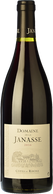
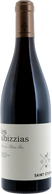
Why Côtes du Rhône often offers good value for money
The region is large, the harvest is stable, and production volumes allow prices to remain affordable. This does not mean that the wine is simple or mass-produced in a negative sense. It means an efficient system.
Many producers work in cooperatives, while others are family farms with long experience. This structure allows them to offer reliable quality without the high costs that often arise in prestigious regions.
What you should know when buying
When choosing a Côtes du Rhône red wine, there are a few things to keep in mind.
Vintage year. Hot years, such as 2019 or 2020, often produce more mature, softer wines.
The producer's name. Even in this large region, the producer's style is very important.
Alcohol content. More than 14 per cent often indicates the warmth of the southern region and a fuller body.
These criteria help you choose a wine that suits your taste, not just the promise on the label.
Côtes du Rhône is not a wine that requires a special occasion. It exists to be drunk when you want a good, reliable red wine. No pressure. No rules. With food, with people, with everyday life.