

The Most Common Wine Flaws
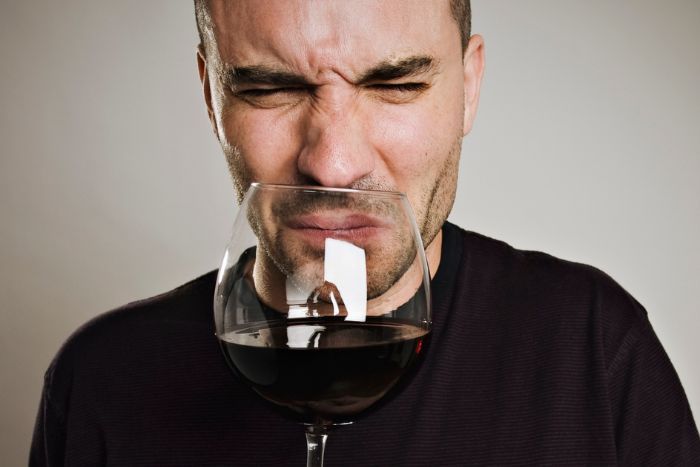
Sometimes the problem isn't that you don't like it: how to identify wine faults
We've all experienced a similar situation. We uncork a bottle, pour the first glass, and something seems odd.
It might smell musty. Or of cooked egg. Or simply of nothing at all.
The first reaction is usually to think the label doesn't suit our palate. However, on many occasions the real problem isn't our taste, but rather that the bottle has one of the most common wine faults. Although they're less frequent than sometimes believed, these alterations can seriously affect the aroma, flavour or balance of any wine.
What is considered a fault in wine?
Not every unusual aroma is a fault.
Varieties, production methods and ageing processes can give rise to unusual aromas that form part of a wine's character.
We speak of a fault when an alteration masks the wine's own aromas and detracts from the tasting experience.
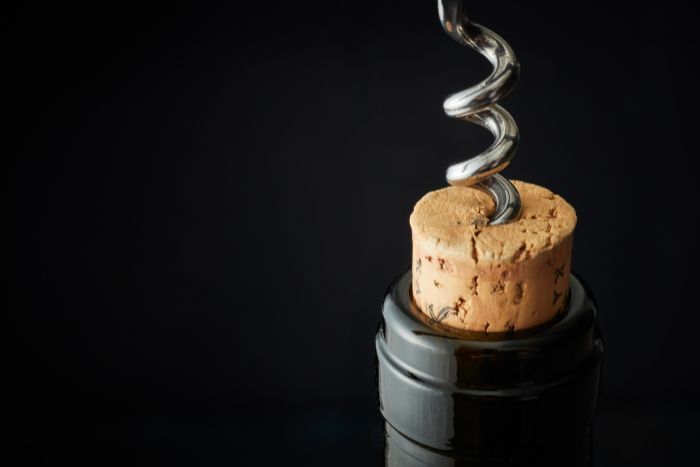
Cork taint
The best-known fault.
What does it smell like? |
Wet cardboard, damp newspaper, a musty cellar, dampness |
What causes it? |
The presence of a compound called TCA |
Is it dangerous? |
No. It simply spoils the wine's aromatic expression |
Can it be fixed? |
No. The bottle must be replaced |
Reduction
When the wine seems closed
Many enthusiasts mistake it for an irreversible fault.
What does it smell like? |
Spent match, smoke, rubber, cooked egg |
| Effect |
In small doses it can add complexity. When excessive, it masks the fruit and becomes unpleasant |
Can it be fixed? |
Often, yes. Simply aerating or decanting the wine is enough |
Oxidation
When oxygen goes too far
Every wine needs oxygen. Too much oxygen is another matter.
How is it recognised?
- Duller colour
- Amber tones in whites
- Aromas of bruised apple
- Nuts
- Lack of freshness
Vinegary notes
Excessive volatility
In small amounts they add complexity.
When excessive, aromas appear reminiscent of:
- Vinegar
- Nail varnish remover
- Glue
- And they start to dominate the whole.

Brettanomyces
The most controversial fault
For years, some consumers and winemakers have accepted its presence at certain levels.
Typical aromas:
- Leather
- Stable
- Animal
- Sweat
At low levels, some consider them part of the style. At high levels, they completely mask the fruit.
Can a faulty wine be dangerous?
In the vast majority of cases, no. Wine faults are mainly a sensory issue. They affect the quality and enjoyment of tasting, not food safety.
What to do if you suspect a bottle has a fault?
Before writing it off:
- Check that it's at the right temperature.
- Give it a few minutes in the glass.
- Try decanting it.
- Compare aromas with other people.
If the problem persists and the wine clearly shows signs of cork taint or a serious alteration, it's best to contact the shop or the winery.
Not all unusual aromas are faults
One of the most fascinating things about wine is precisely its diversity.
Minerality, smoky notes, and aromas of gunpowder, leather or petrol can form part of the character of certain wines.
Learning to distinguish between character and fault is one of the most interesting steps on the enthusiast's journey.