

The Science of Sweetness: How Botrytis and Late Harvest Shape flavour
Discover how Botrytis and late harvest techniques shape sweet wines, from noble rot chemistry to concentrated flavours, balance and classic styles like Sauternes and Tokaji.
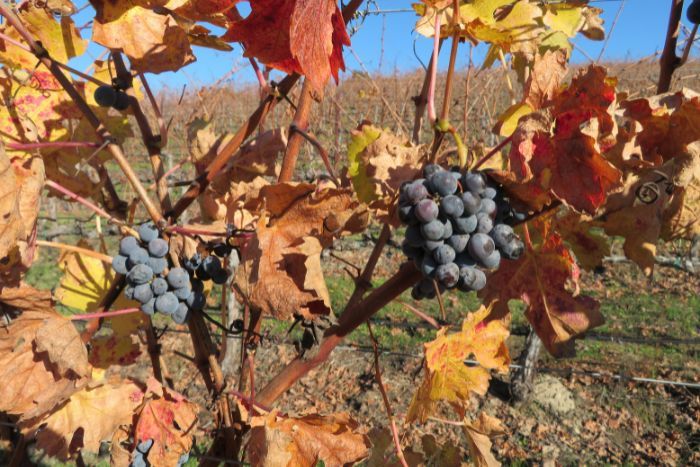
Vines evolved, like many plants, with sweet tasting fruits, to attract birds to eat their grapes to disperse the seeds. The sweetness in the grapes: sugar, is what we’ve fermented over the millennia to make wine.
These days, most wines are dry; however, some wines are deliberately made sweet. Although these have recently fallen out of favour, they are certainly worth a second look, given the story behind their creation.
What is Botrytis?
Botrytis cinerea is a fungus, and under the wrong conditions, it produces grey rot. However, in the right conditions with morning mists and afternoon sunshine, Botrytis transforms into its noble twin.
In this form, it punctures grape skins, gently perforating them so water evaporates and sugars concentrate. It’s a kind of natural slow-cooking, reducing the grape’s water content while intensifying flavours and acidity. Grapes can decrease by up to 60% in volume.
The real magic, though, is biochemical. Botrytis produces enzymes that modify the grape’s aromatic precursors. Typical flavours are honeyed apricot, saffron, marmalade, bruised orange, and tell‑tale Botrytis notes of ginger, beeswax and honey. These aromas don’t exist in unaffected grapes. They are literally created by the fungus.
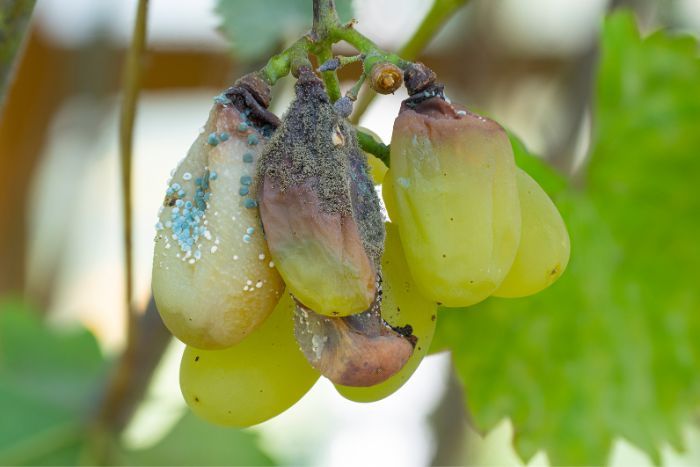
Botrytis also metabolises part of the grape’s acid profile, particularly tartaric acid. This means that even as sugar rises through concentration, acidity subtly softens, giving noble‑rot wines their hallmark mouthfeel.
Classic examples are Sauternes, in France, Tokaji, in Hungary and Beerenauslese or Trockenbeerenauslese from Germany and Austria
How is Late Harvest different?
Late‑harvest wines play a different tune. Here, the science is more straightforward: let the grapes stay out longer, and they lose water, build sugar, and develop riper, deeper flavours.
Instead of ginger and marmalade, late‑harvest wines lean toward dried fruits, baked apple, and spice. The compounds responsible for green and citrus notes diminish, replaced by flavours produced by slow, sun‑driven metabolism. Acidity remains more intact than in Botrytised wines, giving late‑harvest bottles a brighter spine.
£10
Special offer available for a minimum purchase of £99. Discount voucher valid for four weeks from issue date. Cannot be used in conjunction with other promotions except for the free delivery special offer.
If Botrytis is alchemy, late harvest is concentration — a gradual intensification shaped by the weather, the variety, the winemaker’s skill and courage. Because leaving grapes on the vine is a gamble.
The weather can turn, birds become bold, and sugar levels can spike faster than acids can hold them in balance. Great late-harvest wines are therefore not accidents but small acts of viticultural nerve.
Vendange Tardive is the term used in Alsace, France, Spätlese in German-speaking countries and Vendimia Tardía in Spain.
Both styles ultimately aim for the same conclusion: sweetness with complexity and perfectly balanced. But their textures differ. Botrytis builds layers — complexity that comes from decay turned noble. Late harvest offers purity — fruit that tastes like itself, simply more so.
Together, they remind us that sweetness in wine isn’t just sugar; it’s chemistry, risk, patience, and nature. The next time you raise a glass of gold, consider the tiny spores or the brave decision to wait just one more week. Sweetness, after all, is rarely simple.