

Port Wine Styles Explained

Port wine is not one wine — it is a whole family of styles, each tasting completely different from the next. The short answer: Ruby Port wine is young, fruity and deep red; Tawny Port wine is nutty, amber and aged in oak; LBV (Late Bottled Vintage) Port gives you Vintage quality at a fraction of the price; and Vintage Port wine is the prestige style built to last decades. Everything else sits somewhere between or alongside those four.
Below, each Port wine style explained in plain English — with what it tastes like, when to drink it, and which bottle from our Douro cellar to reach for.
What is Port wine?
Port wine is a fortified wine from Portugal's Douro Valley — the world's oldest officially demarcated wine region, established in 1756. During fermentation, neutral grape spirit (aguardente) is added to stop the process early, locking in natural sweetness and raising alcohol to 19–22% ABV. All Port wine is made from native Douro varieties — primarily Touriga Nacional, Touriga Franca, Tinta Roriz and Tinta Barroca — grown on the steep schist slopes above the Douro River.

What happens after fermentation determines the Port wine style. The key question: does the wine age in large vats with minimal oxygen contact (Ruby route) or in small oak barrels with controlled oxidation over years or decades (Tawny route)?
The 7 main Port wine styles
1. Ruby Port wine — the entry point
Ruby Port wine is the most widely drunk style: young, vibrant, and bottled after just two or three years in large tanks that protect the wine from oxidation. The result is a deep purple-red wine bursting with blackberry, cherry jam, dark chocolate and a hint of spice. Sweetness is high but balanced by the wine's natural fruit intensity.
Best for: after dinner, with dark chocolate, with blue cheese or Stilton, as an introduction to Port wine.
Serve at: 16–18°C, in a small Port wine glass or dessert wine glass
After opening: keeps well for 4–6 weeks sealed in the fridge
2. Reserve Ruby Port wine — a step up
Reserve Ruby Port wine follows the same route as basic Ruby but uses higher-quality fruit and spends slightly longer in tank — typically four to five years. The result is more concentrated and complex, with a richer texture and more pronounced dark fruit. A good Reserve Ruby is the sweet spot between everyday Port wine and LBV.
Best for: dinner parties, gifting under £25, chocolate desserts
Look for: Graham's Six Grapes Reserve — one of the most reliable in the category
3. Late Bottled Vintage (LBV) — the smart buy
LBV comes from a single harvest year and is aged four to six years in barrel before bottling — far longer than basic Ruby. This extended time gives LBV a structure and complexity that approaches Vintage Port, but it's ready to drink on release and costs a fraction of the price.
Two types exist:
-
Filtered LBV (most common) — clear, consistent, drink straight from the bottle
-
Unfiltered LBV — more complex, may develop further in the bottle, needs decanting
Best for: buying as a gift, replacing Vintage Port at a dinner, pairing with rich game dishes, blue cheese, walnut tart
Serve at: 16–18°C; decant unfiltered styles for 30–60 minutes
After opening: 2–3 weeks sealed in the fridge
Buyer's tip: If you want the quality of Vintage Port without waiting decades, an unfiltered LBV from a serious producer (Quinta do Noval, Niepoort, Quinta do Infantado) is the move.
4. Tawny Port wine — nutty, amber, aged in oak
Tawny Port wine takes the opposite ageing path to Ruby. Instead of large tanks, Tawny Port spends years — sometimes decades — in small 550-litre oak barrels called "pipes". Constant, gentle oxidation gradually strips the wine's red pigment, turning it amber-brown (the "tawny" colour) and transforming its flavour from fresh fruit to dried fruit, roasted nuts, caramel, orange peel and toffee.
Age designations on the Tawny Port wine label refer to the average age of the blend, not a single vintage:

|
Designation |
Character |
|
Basic Tawny |
Soft, simple, lightly nutty. Entry level. |
|
10-Year Tawny |
The ideal starting point. Dried fruits, hazelnuts, spice. Excellent value. |
|
20-Year Tawny |
The benchmark. Complexity, freshness and concentration in balance. Most enthusiasts' favourite. |
|
30-Year Tawny |
Rich, unctuous, intensely complex. For special occasions. |
|
40-Year Tawny |
Extraordinary depth and rarity. Collector territory. |
Best for: nut-based desserts (pecan pie, almond tart), crème brûlée, hard aged cheeses, charcuterie, as a digestif
Serve at: 12–14°C — slightly chilled, unlike most Port wines. Tawny Port wine is the one style that genuinely benefits from a light chill.
After opening: keeps 6–8 weeks sealed in the fridge — longer than Ruby Port wine, because its oxidative ageing has already "used up" much of its oxygen sensitivity
The 20-Year rule: Port wine producers and shippers in Vila Nova de Gaia — where all Port wine is aged — almost universally drink 20-Year Tawny at lunch. It is the Tawny Port wine style that best combines complexity with freshness, and at £30–£50 it represents exceptional value for what it delivers.
5. Colheita Port wine — single-vintage Tawny
Colheita Port wine (pronounced kol-YAY-ta, meaning "harvest" in Portuguese) is a single-vintage Tawny aged in barrel for a minimum of seven years — and often much longer. The label shows two dates: the harvest year and the bottling year. A Colheita Port wine bottled after 30 or 40 years of barrel ageing is one of the most complex and singular wine experiences available at any price.
Unlike Vintage Port wine, which ages in bottle, a Colheita's complexity develops entirely in wood. The result is more mellow and oxidative, less tannic and intense than an equivalent Vintage Port.
Best for: collectors, serious gifts, special-occasion sipping, dried figs, almond-based desserts
Best producers in our range: Niepoort, Quinta do Noval
6. Vintage Port wine — the prestige category
Vintage Port wine is the pinnacle of Port production — declared only in exceptional years by individual producers, bottled after just two to three years in barrel, and then aged in the bottle for decades. Because Vintage Port wine receives minimal barrel time, it evolves entirely in glass: starting with enormous structure, dark fruit and tannin, then slowly softening over 20–50 years into extraordinary complexity of dried cherry, tobacco, leather, chocolate and minerals.
Vintage Port wine is the only Port style that genuinely needs to be cellared. Younger examples (under 15 years) can taste tight and austere; the same Port wine 30 years later can be one of the most rewarding drinking experiences in all of wine.
Declared vintages to look for: 2017, 2016, 2011, 2009, 2007, 2003, 2000, 1997
Best for: long-term cellaring (10–40+ years), very special occasions, gifting with provenance, pairing with Stilton, walnuts, rich dark chocolate
Always decant: stand the bottle upright for 24 hours before opening to allow sediment to settle, then decant carefully 1–2 hours before serving
After opening: drink within 24–48 hours
7. White Port wine — the summer aperitif
White Port wine is made from white Douro grapes (Malvasia Fina, Códega, Rabigato) and ranges from bone dry to medium sweet. It is the least-known Port wine style internationally but hugely popular in Portugal, where it's mixed with tonic water, a twist of lemon and a sprig of mint — the Portónico, Porto's fashionable answer to a G&T.
Older, wood-aged White Port wine (look for "10-Year" on the label) develops into something more complex and nutty — closer to a Tawny Port wine in character.
Best for: pre-dinner aperitif, White Port wine & tonic, pairing with salted almonds, olives, white fish, light starters
Serve at: 10–12°C — well chilled
After opening: 3 weeks in the fridge
£10
Special offer available for a minimum purchase of £99. Discount voucher valid for four weeks from issue date. Cannot be used in conjunction with other promotions except for the free delivery special offer.
Quick guide: which Port wine style to choose
|
Occasion |
Best Port wine style |
|
After-dinner, first Port wine |
Reserve Ruby or 10-Year Tawny |
|
Special gift |
LBV (unfiltered) or 20-Year Tawny Port |
|
Long-term investment / cellar |
Vintage Port wine |
|
Summer aperitif |
White Port wine & tonic |
|
Pairing with Stilton |
Vintage Port or LBV |
|
Pairing with nut desserts |
20-Year Tawny Port |
|
Pairing with dark chocolate |
Reserve Ruby Port or LBV |
|
Something you've never tried |
Colheita Port wine |
Our Port wine picks at Vinissimus
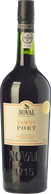
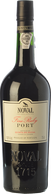
For Ruby & LBV: Quinta do Noval and Quinta do Infantado are two of the most respected names in the Douro, producing serious LBV wines with excellent structure and genuine ageing potential.
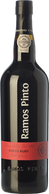
For Tawny: Niepoort's 20-Year Tawny is consistently one of the finest examples at its price point — complex, fresh and impeccably balanced. Ramos Pinto, owned by the Louis Roederer group since 1990, produces reliable and elegant Tawnies across the range. → Shop Tawny Port at Vinissimus
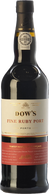
For Vintage: Quinta do Noval's Nacional Vintage — made from ungrafted pre-phylloxera vines — is one of the most legendary wines in the world. Graham's and Dow's (both Symington family estates) produce some of the most age-worthy and consistent Vintage Ports declared. → Shop all Port wine at Vinissimus

FAQ
What is the difference between Ruby and Tawny Port wine?
Ruby Port wine is aged in large tanks with minimal oxygen contact, preserving its deep red colour and fresh fruit character — blackberry, cherry, chocolate. Tawny Port wine is aged for years or decades in small oak barrels with controlled oxidation, which strips the red colour to amber-brown and develops nutty, caramelised flavours — dried figs, hazelnuts, orange peel, toffee. The key difference in these two Port wine styles is the ageing: barrel vs. tank, oxidative vs. protected.
What does LBV Port wine mean?
LBV Port wine stands for Late Bottled Vintage. It is Port wine from a single harvest year, aged four to six years in barrel before bottling — much longer than basic Ruby Port. This gives LBV Port wine greater complexity and depth without the decades of bottle ageing required by true Vintage Port. LBV Port wine is ready to drink on release, often costs between £15 and £30, and is considered one of the best-value styles in the Port wine category. Unfiltered LBV from serious producers can also improve further in bottle.
How long does Port last once opened?
It depends on the style. Ruby and LBV last 4–6 weeks sealed in the fridge. Tawny Port lasts 6–8 weeks, as its oxidative ageing makes it more resilient once opened. Vintage Port should ideally be consumed within 24–48 hours of opening. White Port keeps for about 3 weeks chilled.
Do I need to decant Port?
Only for Vintage Port and unfiltered LBV. Vintage Port throws sediment after years of bottle ageing — stand the bottle upright for 24 hours before opening, then pour carefully into a decanter 1–2 hours before serving. Tawny, White and filtered LBV do not require decanting.
What food pairs best with Port?
It depends on the style. Ruby and LBV pair best with blue cheese (especially Stilton — the classic UK pairing), dark chocolate, walnut cake and rich game dishes. Tawny Port suits nut-based desserts (pecan pie, almond tart), crème brûlée, caramel and hard aged cheeses. White Port works brilliantly as an aperitif or with salted almonds, olives and light fish dishes. Vintage Port at its best pairs with Stilton and walnuts — or simply with time and good company.
When is Port wine in season?
Port wine is often thought of as a Christmas drink, but serious Port wine drinkers enjoy it year-round. Tawny Port wine, served slightly chilled, is one of the best summer aperitifs or digestifs. White Port wine & tonic is a warm-weather staple in Portugal. LBV and Vintage Port wine suit autumn and winter evenings. The best Port wine is the one that suits the occasion — not just December.