

What Is the Difference Between German Riesling and Alsatian Riesling?
Discover the differences between German and Alsatian Riesling: sweetness, style, alcohol content, and food pairings. Learn how to choose the right one for your taste and the occasion.

German and Alsatian Riesling can be confused due to their geographical proximity. However, the distinctive characteristics of each region result in two clearly distinct styles.
Below, we explain the most notable characteristics of each.
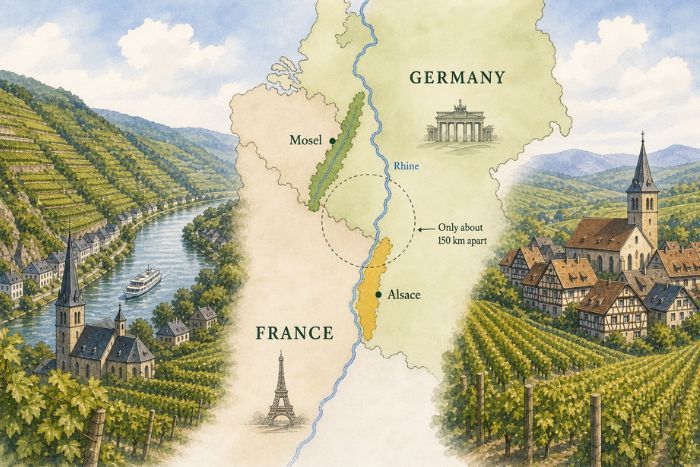
Key differences
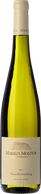
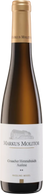
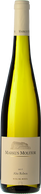
What is German Riesling like?
German Riesling is a light wine, with high acidity and low alcohol content, often with a touch of residual sugar that balances it out and makes it very easy to drink.
On the palate, it feels fresh and lively, with a vibrant quality that invites you to keep drinking… yes, it’s one of those dangerous ones.
Germany’s cool climate favours slow ripening. This keeps the acidity high and the alcohol content low. The result is precise and highly expressive wines.
That slight sweetness provides balance and softens the acidity without losing any freshness.
Some customers describe it as follows:
“Very pleasant, perfect for any time of day, light and refreshing.” ,- Antonio
“The freshness and sweetness blend beautifully, making you want another sip.” - Martin


What is an Alsace Riesling like?
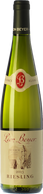
Alsace Riesling is generally drier, fuller-bodied, and higher in alcohol, producing wines that are more structured and have greater volume on the palate.
Here, the sensation changes. The wine fills the mouth more, has more weight, and feels firmer.
The greater number of hours of sunshine encourages more complete ripening. This brings concentration and depth.
The acidity is well-integrated. The result is a broader, more food-friendly profile.
Some customers highlight this style:
“Dry, serious, and very gourmet – perfect for a meal.” - Deborah
“More body and depth, ideal for heartier dishes.”- Enrico
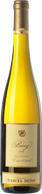
Comparative table
Below is a comparison table showing the most notable differences between the two areas.
| Characteristic | Germany | Alsace |
|---|---|---|
| Sweetness | Common (although dry styles exist) | Mostly dry |
| Alcohol | Low (7–11%) | Higher (12–14%) |
| Body | Light | Medium to full |
| Style | Fresh, taut | Broad, structured |
| Climate | Cold | Dry and sunny |
How do you choose between German and Alsatian Riesling?
If you're looking for a fresh wine, go for a German Riesling.
If you're looking for a drier, full-bodied Riesling, go for an Alsatian one.
A tip:
- For an aperitif or a casual drink: German
- For a more formal lunch or dinner: Alsatian
In any case, if this is your first time trying Riesling, a good option is to start with those from the German region, and if you like them, move on to the Alsatian ones.
What dishes go best with Riesling?
Riesling generally pairs well with Asian cuisine, fish, and white meats; sweeter styles balance out the heat, whilst dry styles complement more robust dishes.
- German Riesling: spicy dishes, hot dishes, and simple raw fish dishes
- Alsatian Riesling: baked fish, white meats, more elaborate dishes
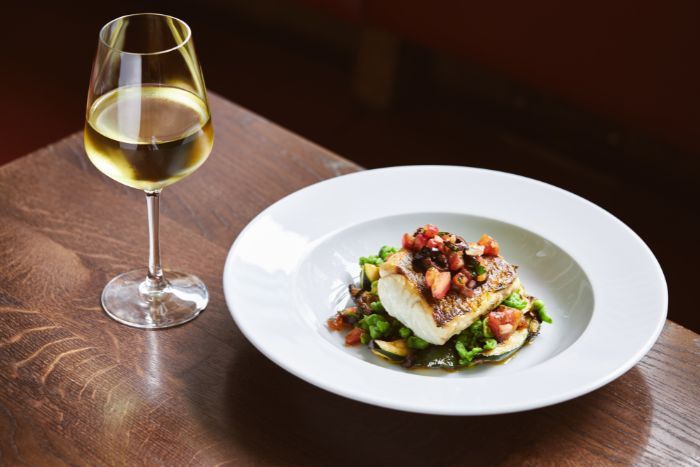
Comparing the two styles side by side helps you grasp their differences straight away. A crisp German wine alongside a dry Alsatian wine clearly highlights the contrast.
It’s when you taste them that everything falls into place and you can decide which style you prefer.