

The Difference Between Crianza, Reserva and Gran Reserva
What do Crianza, Reserva and Gran Reserva mean when it comes to Spanish wines: barrel and bottle ageing periods, designations of origin, and how to choose the right wine. A clear guide with real-life examples.
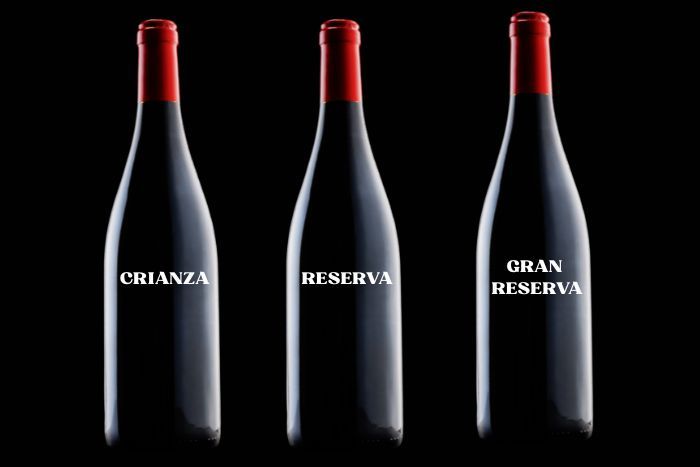
The difference between crianza, reserva and gran reserva is the length of time the red wine must be aged between barrel and bottle (according to Spanish law):
-
Crianza: a minimum of 24 months in total.
-
Reserva: a minimum of 36 months in total.
-
Gran reserva: a minimum of 60 months in total.
The higher the wine's category, the longer it must also spend in the barrel (not just in the bottle). This doesn't automatically mean higher quality, just more time.
Ageing time doesn't guarantee that the wine is good.
When you see "reserva" or "gran reserva" on a label, it's only telling you how long the wine spent in barrel and bottle before it was released for sale. That's all. It doesn't tell you whether the grapes were good, whether it was a good year, or whether the winery made it with care.
That's why this can happen:
-
A gran reserva (the one aged the longest) can turn out dull or uninspiring, even if it meets the years required by law.
-
A crianza (the one aged the shortest) can be spectacular if it comes from a good vintage and a winery that does things well.
The key idea: these categories (crianza, reserva, gran reserva) are a legal classification based solely on time. They are not a quality classification. So you shouldn't choose a wine just because it says "gran reserva", thinking it will be better. It might be, or it might not; that depends on how it's made, not on how long it waited.
The exact ageing times
For red wine, national regulations require 24 months in total for crianza (at least 6 in barrel), 36 months for reserva (at least 12 in barrel) and 60 months for gran reserva (18 in barrel, the rest in bottle).
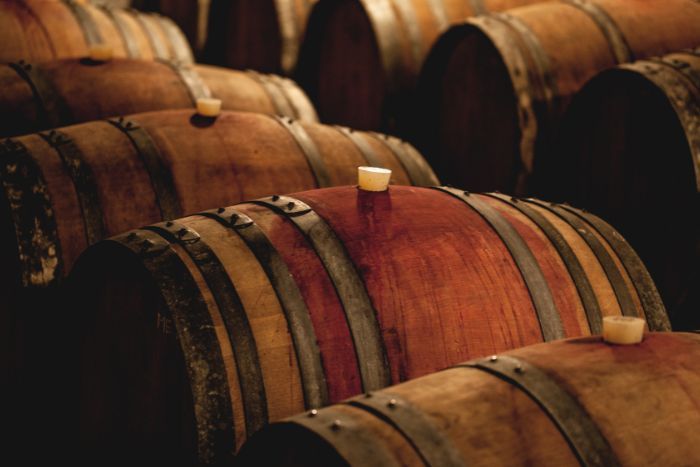
Rioja is stricter than the general rule: 12 months in barrel for crianza, another 12 for reserva and 24 for gran reserva, with additional time in bottle.
Ribera del Duero follows a similar scheme. And here's what hardly anyone tells you: each DO can set its own minimums, as long as they're equal to or higher than the national ones, so a gran reserva from Rioja and one from another region haven't necessarily gone through the same process.
For white wine and rosé wine, the times are shorter: 18 months for crianza, 24 for reserva and 48 for gran reserva, always with a minimum of 6 months in oak.
Ageing times compared:
|
Category |
Total ageing (red) |
Minimum in barrel |
Rioja (barrel) |
White / rosé |
Flavour profile |
|
Crianza |
24 months |
6 months |
12 months |
18 months (min. 6 in barrel) |
Fruit-forward, straightforward, best drunk soon after purchase |
|
Reserva |
36 months |
12 months |
12 months |
24 months (min. 6 in barrel) |
More complexity, first notes of development |
|
Gran Reserva |
60 months |
18 months |
24 months |
48 months (min. 6 in barrel) |
Tertiary notes: leather, tobacco, spice |
What the label doesn't tell you about the wine
A wine saying "crianza" only tells you how long it has spent in barrel and in bottle. It tells you nothing about what type of oak was used, how that winery goes about making its wine, or whether the grapes come from an old, dry-farmed vineyard or an irrigated plot that produces high yields. That's why you can come across two "gran reservas" that, despite carrying the same word on the label, taste completely different.
In fact, leading wineries in Rioja and Ribera del Duero have stopped putting these words on their top wines. They prefer to give them their own name or the name of the vineyard. Why? Because they don't want the law to force them to wait a fixed number of months when, using their own judgement, they might want to release the wine sooner or later.
Looking only at whether it says crianza, reserva or gran reserva is of some use, but it isn't enough. To really get it right, it's worth also looking at who makes the wine, what vintage it is and what it
£10
Special offer available for a minimum purchase of £99. Discount voucher valid for four weeks from issue date. Cannot be used in conjunction with other promotions except for the free delivery special offer.
What it's useful for in practice
As a guide to style, and quite a useful one at that. Crianza tends to be more straightforward and fruit-forward, best drunk soon after purchase. Reserva brings more complexity and notes of development. Gran reserva, when well made, offers nuances (leather, tobacco, spice) that only long ageing in bottle can give.
The missing piece: the vintage
The classification makes no distinction between good and bad vintages. A gran reserva from a mediocre year can fall short of a reserva from an exceptional vintage. That's why the most discerning winemakers look first at the vintage and the winery, and only then at the ageing designation.
The difference between these categories is real and precisely regulated, but it works better as a starting point than as a verdict. It should never replace your own judgement, nor become the only argument used to justify a price.