

How to Organise a Blind Wine Tasting on Christmas Eve
Learn how to organise a blind wine tasting on Christmas Eve. Simple steps, wine selection tips, and ideas to create a relaxed, festive evening at home.
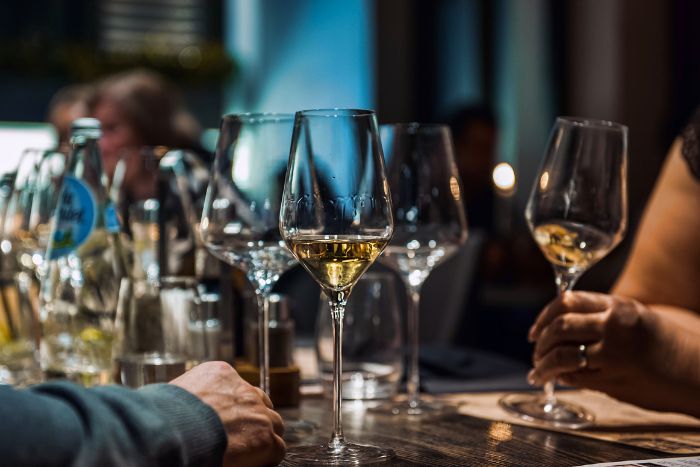
Christmas Eve usually has its own rhythm. Everyone knows where to sit, what to eat, and how to diplomatically avoid complicated topics.
But if you want to bring more cosy chaos and lighthearted laughter this year, blind wine tasting is a great way to create an atmosphere reminiscent of a British holiday evening, where everyone tries to be polite but has their own strong opinions about wine.
Why is blind tasting appropriate on Christmas Eve
It's simple. People with very different knowledge of wine gather at the table. One judges everything by price, another by colour, and a third by whether the taste reminds them of something they once heard on television.
Blind tasting wonderfully balances this social hierarchy. Everyone's opinions become equal, no one can quote the label, and that always creates a lot of laughter.
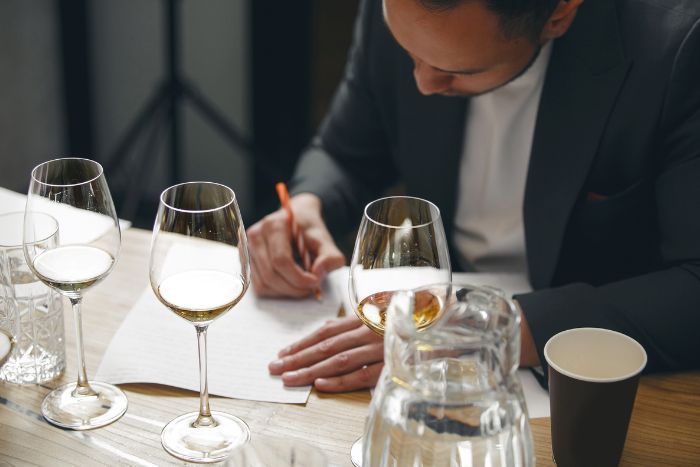
This game requires neither sommelier courses nor special preparation. All you need are a few simple but very useful things that will help the evening flow naturally and without chaos.
What you need for an evening that flows smoothly
• 4–6 different wines of different styles.
These can be a light white, a richer white, a lighter red, a darker, intense red, a sparkling wine, or even an orange wine if you want to add an element of surprise. Different styles allow guests to experience contrasts and avoid boredom.
• Paper, foil, or Christmas stockings to hide the bottles.
Foil is practical, paper is aesthetic, and Christmas stockings provide a good opportunity for a laugh. Guests in the UK would particularly appreciate this detail, as it is reminiscent of festive traditions and light-hearted humour, which goes well with wine.
• Simple glasses, preferably identical.
If everyone tastes from identical glasses, no one can guess based on shape or size. This maintains the fairness of the game and provides order.
• Cards for scoring.
Small but useful. Guests write down their opinions, guesses, and favourite options on them. This helps to avoid a situation where someone claims after their third glass of wine that they will "remember everything in their head."
• Water to rinse the mouth.
A very important element that is often overlooked. Water not only refreshes the taste buds, but also prevents the tasting from turning into a party too quickly. It's a small but very practical thing.
• Snacks.
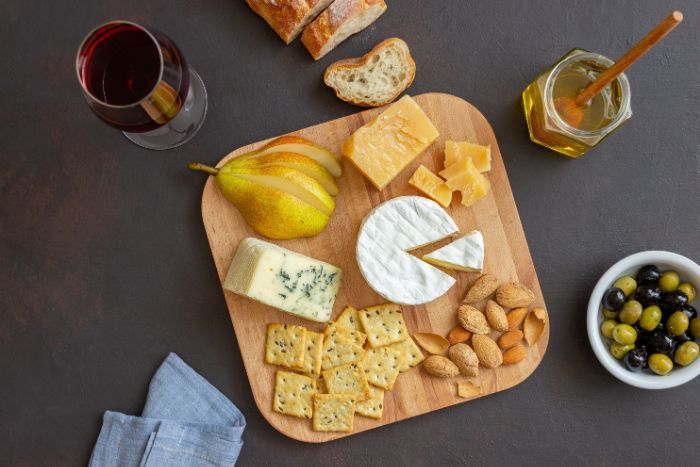
Nuts, plain crackers, mild cheeses, grapes. Nothing too rich, nothing too intense. Just universal snacks that don't overwhelm the wine and are suitable for a festive table. Such snacks always seem safe and understandable, especially to an international company.
£10
Special offer available for a minimum purchase of £99. Discount voucher valid for four weeks from issue date. Cannot be used in conjunction with other promotions except for the free delivery special offer.
In short, this is a set that takes just a few minutes to prepare, and the benefits are obvious. It couldn't be simpler.
How to choose wines to make the evening interesting
It is best to choose a mix that allows you to feel the contrasts:
• one fresher white,
• one richer white,
• a lighter red,
• a darker, intense red,
• a sparkling or "wild card," such as orange.
Add one more expensive bottle and one completely ordinary, well-known bottle from the supermarket. Guests will recognise such situations in an instant: no one will suspect which ones are really good until the label is revealed.
Tasting cards, which somehow help to maintain seriousness
Create a few simple categories that won't overwhelm your guests:
• Smell (1–5).
• Taste (1–5).
• "Would I buy it again?"
• Guess the price.
• Guess the grape variety (if anyone feels brave enough).
The rules should be clear, but not so serious that guests start acting like they're at a formal tasting.
The moment of the call, when the whole show begins
Pour a small amount, 50–70 ml. This prevents the tasting from turning into a party after two glasses. Let your guests smell, taste, guess, and, of course, politely argue. British politeness often manifests itself in the phrase "well, maybe it's plums... but I'm not sure." This adds charm.
There will always be someone who says, "It's definitely Merlot." And almost always, they will be wrong. But it is this moment that unites the whole company.
Small tricks that make the evening more enjoyable
These are details that seem insignificant but have a big impact on the atmosphere of the evening. The more you think about them in advance, the easier everything will go, and your guests will feel comfortable.
• Keep white wines cool and red wines not too warm.
It takes a little effort, but the result is obvious. White wine that is too warm loses its freshness, and red wine that is too warm can taste like soup. Your guests will notice this immediately, as British practicality favours the right temperature without any drama.
• Have water available for both guests and glasses to rinse.
Water helps keep the taste fresh and gives the glasses a fresh start for each wine. This prevents white wine from taking on the hue of the previous red wine. A small effort with a big effect.
• Set some cosy, soft music in the background.
Slow Christmas or pop holiday tunes work best. Nothing too intense. The background should create an atmosphere, not become the soundtrack to a dramatic film. This gives the evening that cosiness where everyone feels comfortable and can relax and enjoy themselves.
These little tricks are simple, but they help create an evening where no one is rushing and everyone is enjoying the moment.
The moment everyone is waiting for – the unveiling
Open one bottle after another. The reactions are similar everywhere:
• someone can't believe that the cheapest wine turned out to be their favourite,
• another pretends that they guessed right, even though they said the opposite a minute ago,
• yet another realises that the most expensive is not always the tastiest.
It is a very festive moment that makes the evening truly cosy.
Final touches that create tradition
Choose the "wine winner" and come up with a couple of nominations that will make people laugh:
• the aroma that surprised you the most,
• the taste that was the most difficult to describe,
• the wine that everyone discussed longer than necessary.
Such small prizes are very suitable for the festive mood.
An alternative for guests who don't drink alcohol
You can always do a blind tasting of tea, soft drinks, or even chocolate. Everyone feels included; no one is left out.
It's simple – this game brings people together
Blind wine tasting adds a lighthearted and surprising element to the evening that many guests enjoy. It's a friendly game with a bit of competition, lots of laughter, and a festive atmosphere. And most importantly, every evening becomes unique.